Understanding Glass Weight vs. Packaged Weight
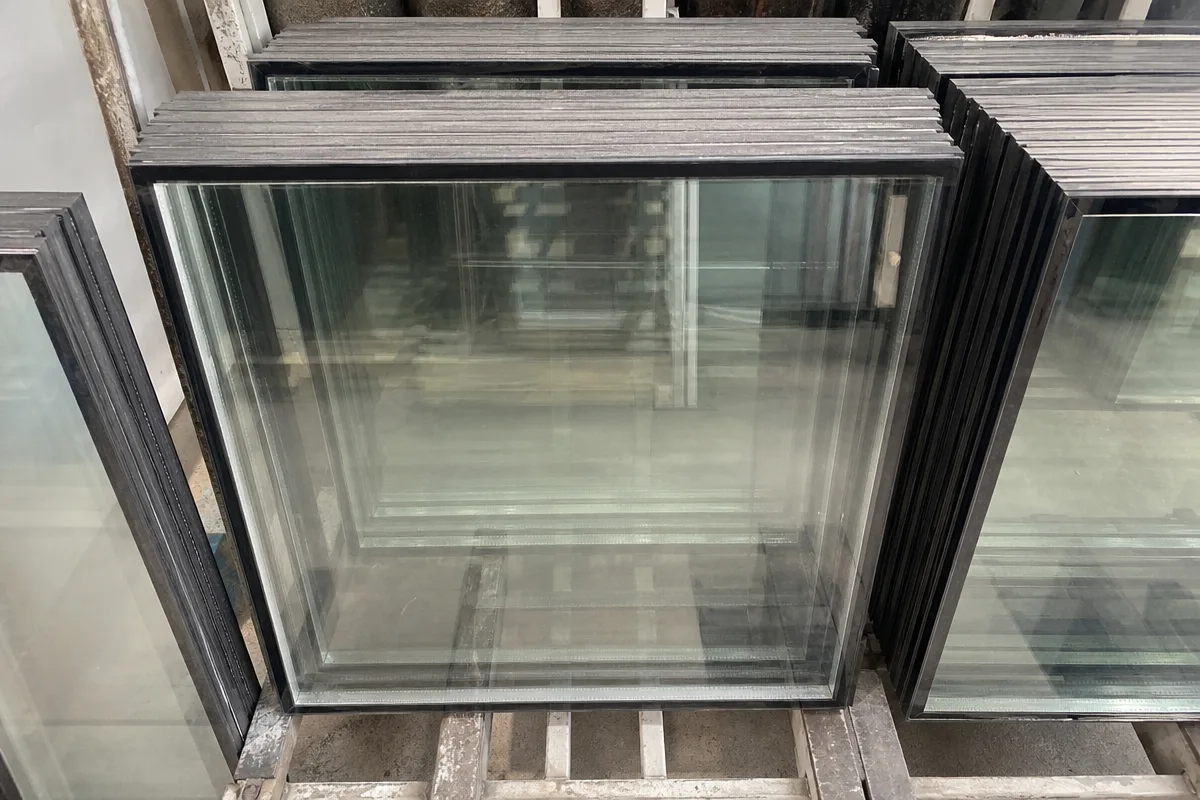
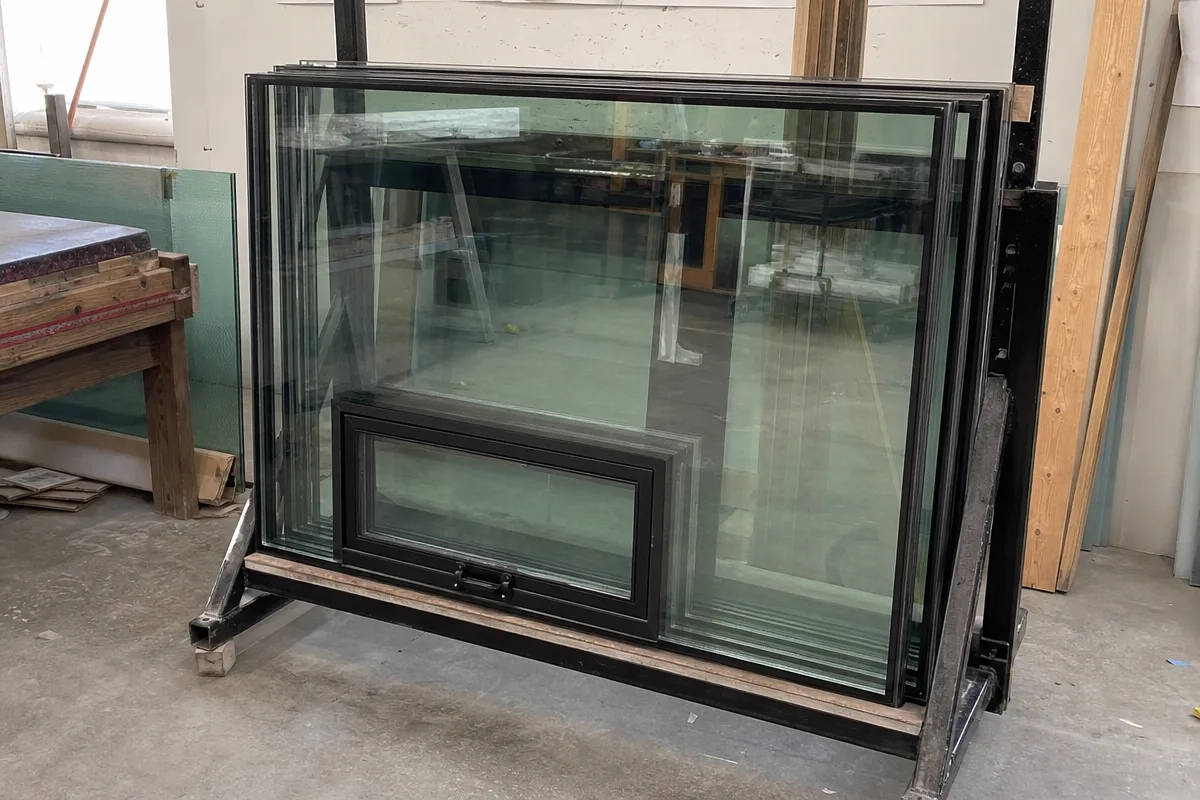
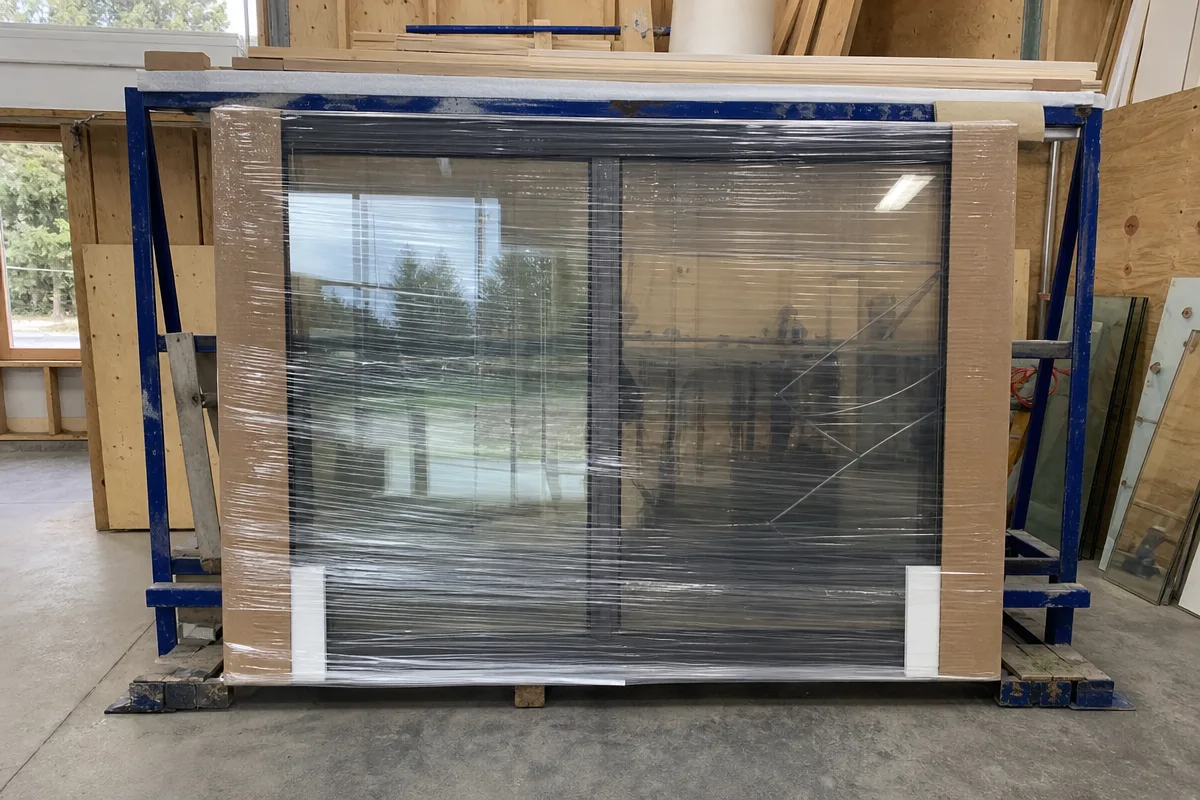
When dealing with replacement glass where legacy documentation is incomplete, distinguishing between bare glass weight and packaged weight is crucial for safe handling and accurate delivery planning. Flat glass weighs approximately 2.5 kg per square metre per millimetre of thickness, but this only accounts for the glass itself. Sealed units add weight from multiple panes, excluding the air gap, while packaging materials, spacers, and hardware further increase the total delivery weight. Confirming the actual packaged weight with the supplier avoids surprises during receiving.
Documenting Finished Specifications to Aid Weight Estimation
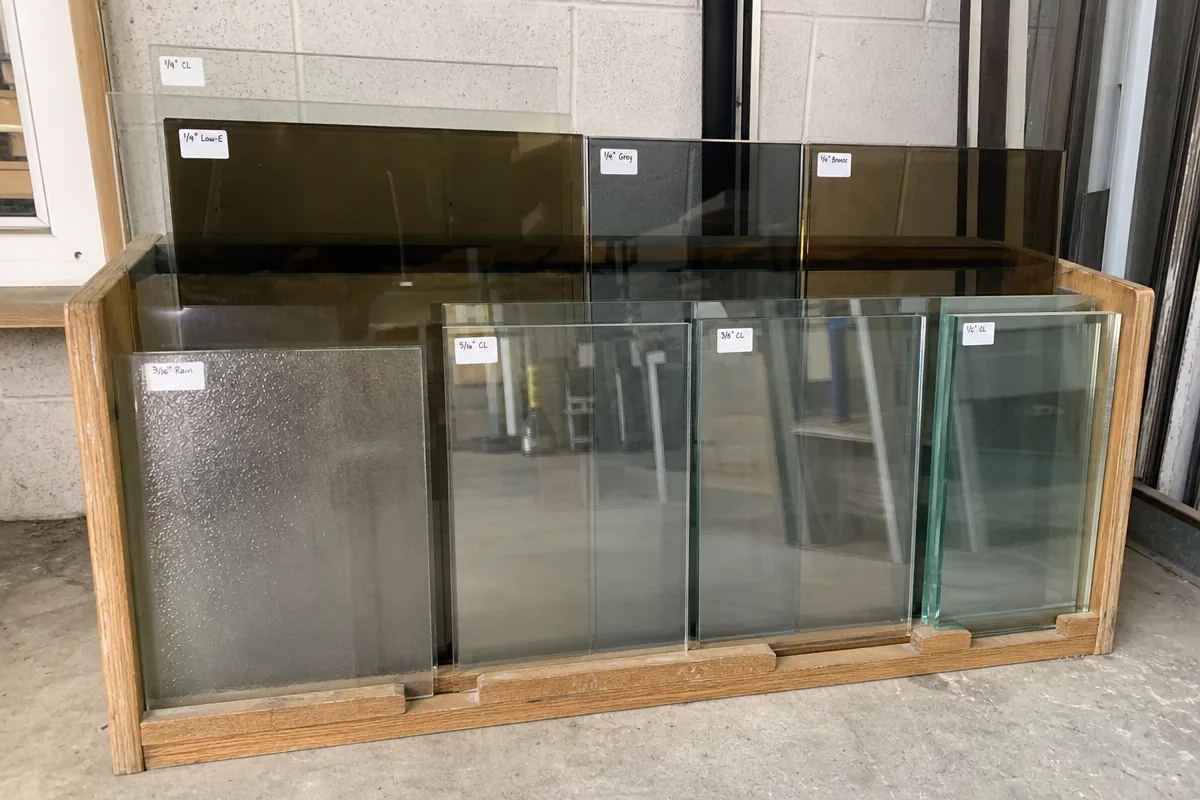
Even with incomplete legacy specs, capturing finished dimensions, each ply’s thickness, coating surfaces, and unit build details helps approximate glass weight. For sealed units, sum the thicknesses of all glass plies, ignoring the air gap, to calculate the glass weight. Note coatings and edge treatments as they influence handling but minimally affect weight. This precise specification enables better communication with suppliers and more accurate delivery weight forecasts.
Checklist for Delivery Briefs with Incomplete Data
Prepare a delivery brief that clearly separates bare glass weight from total packaged weight. Include: finished unit dimensions, glass ply thicknesses, coating surfaces, and known packaging components. Request the supplier’s confirmed packaged weight and note any additional hardware or spacers included. This checklist ensures receiving crews are prepared for the actual load, preventing handling errors and streamlining acceptance.
Sources
Prepared with AI assistance using the references above.