Understand the Limitations of Centre-of-Glass Performance
When considering reusing a performance number from another glass build, especially in an occupied residential retrofit, it’s crucial to recognize that centre-of-glass values represent only the glass portion of the assembly. These values exclude the sash, frame, and spacer components, which significantly influence the overall thermal and solar performance of the window unit. Natural Resources Canada emphasizes that whole-window ratings incorporate these elements, affecting heat loss and energy efficiency. Relying solely on centre-of-glass data can lead to inaccurate assumptions about the installed product’s performance.
Confirm Exact Glass Composition and Assembly Details
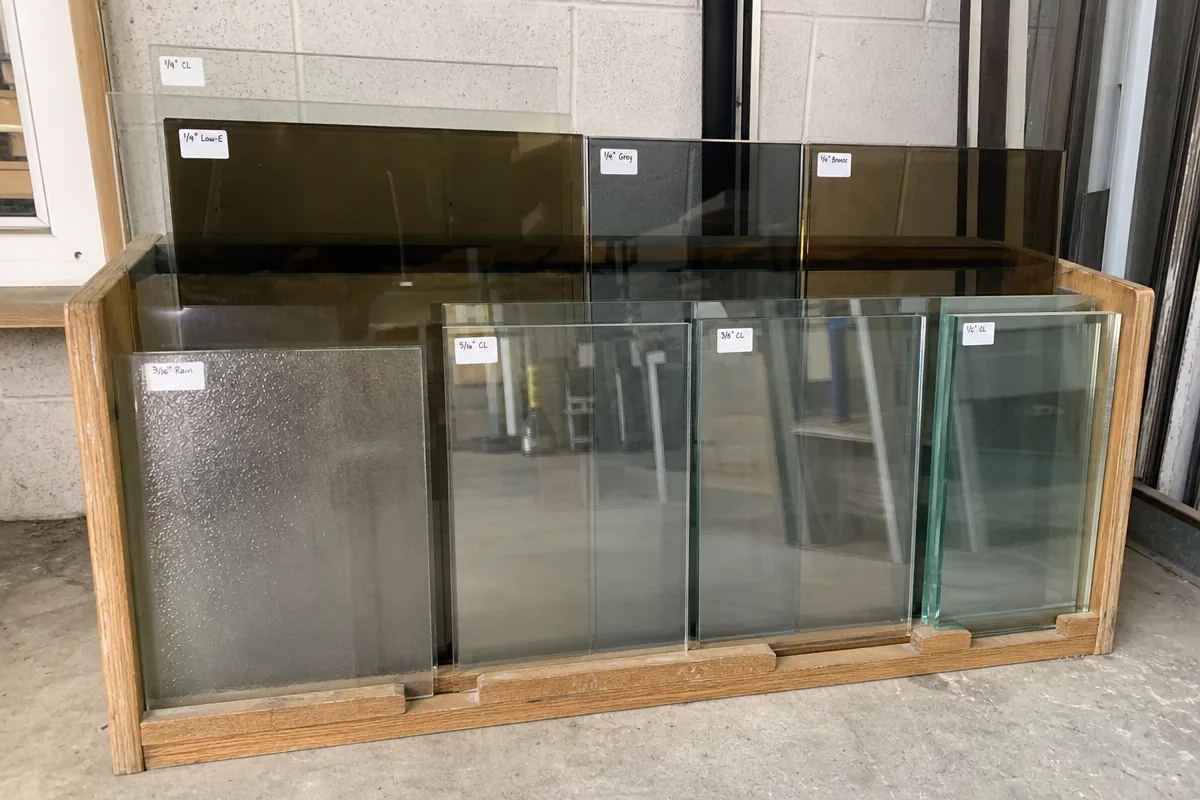
Glass performance tables from Vitro Architectural Glass show that tint, coating type, substrate, glass thickness, and gap width all impact both appearance and thermal properties. Before reusing a performance number, verify that the glass makeup matches exactly, including Low-E coatings and any inert gas fills. Differences in these parameters can alter U-values and solar heat gain coefficients. Additionally, ensure the sash and frame materials and profiles correspond to those in the original tested unit to maintain accuracy in whole-window ratings.
Use a Checklist for Verification Before Ordering
To avoid ordering errors, create a checklist confirming: (1) glass type, thickness, and coating match the original specification; (2) spacer and gas fill details are identical; (3) frame and sash profiles correspond to the tested assembly; and (4) whole-window rating data is available or can be reliably estimated. This process prevents performance mismatches during retrofit installations and supports confident decisions when placing purchase orders through suppliers like GlassQuote.
Sources
Prepared with AI assistance using the references above.