Documenting Exterior and Interior Faces
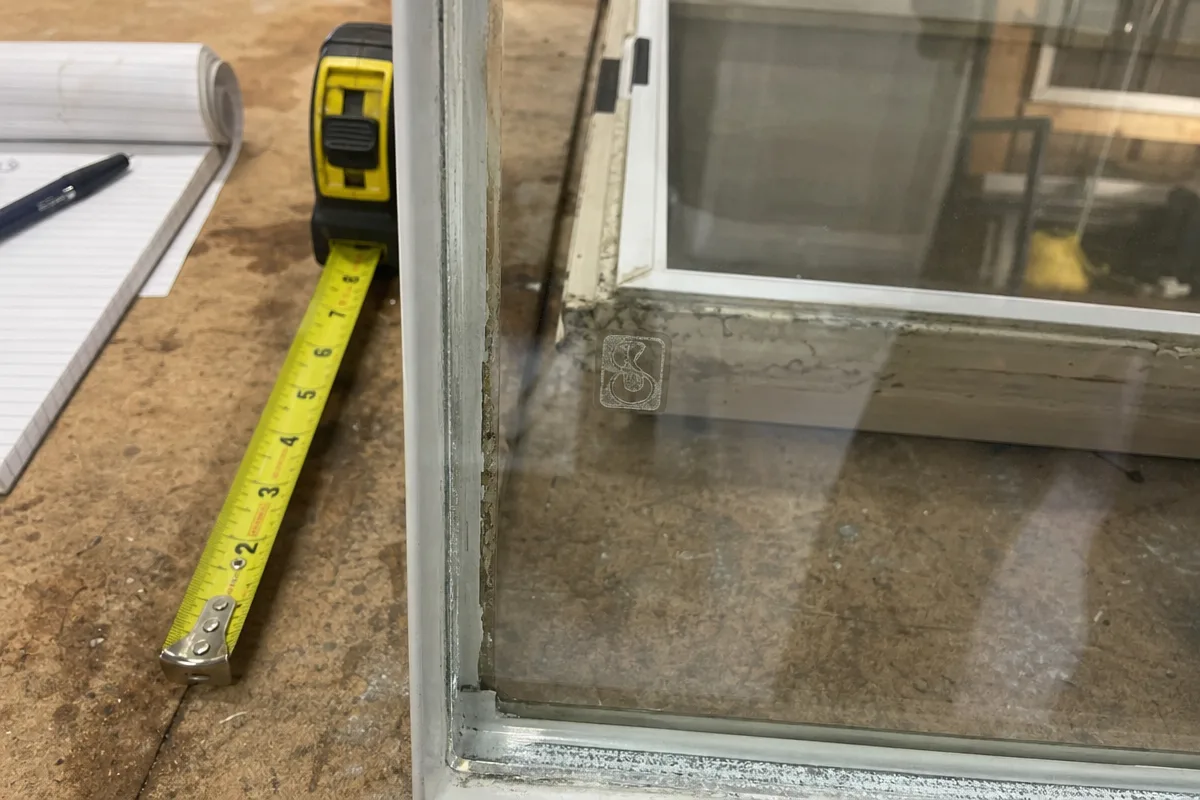
When specifying asymmetrical insulated glass units (IGUs) for a residential retrofit, it is crucial to record both the outside face and the position of any coatings or low-E surfaces. According to the National Glass Association, coating surfaces are numbered starting from the outdoors inward, so the glazier must note which ply carries the coating and on which face it is applied. This avoids confusion during fabrication and installation, ensuring the unit performs as intended.
Including Detailed Unit Build Information
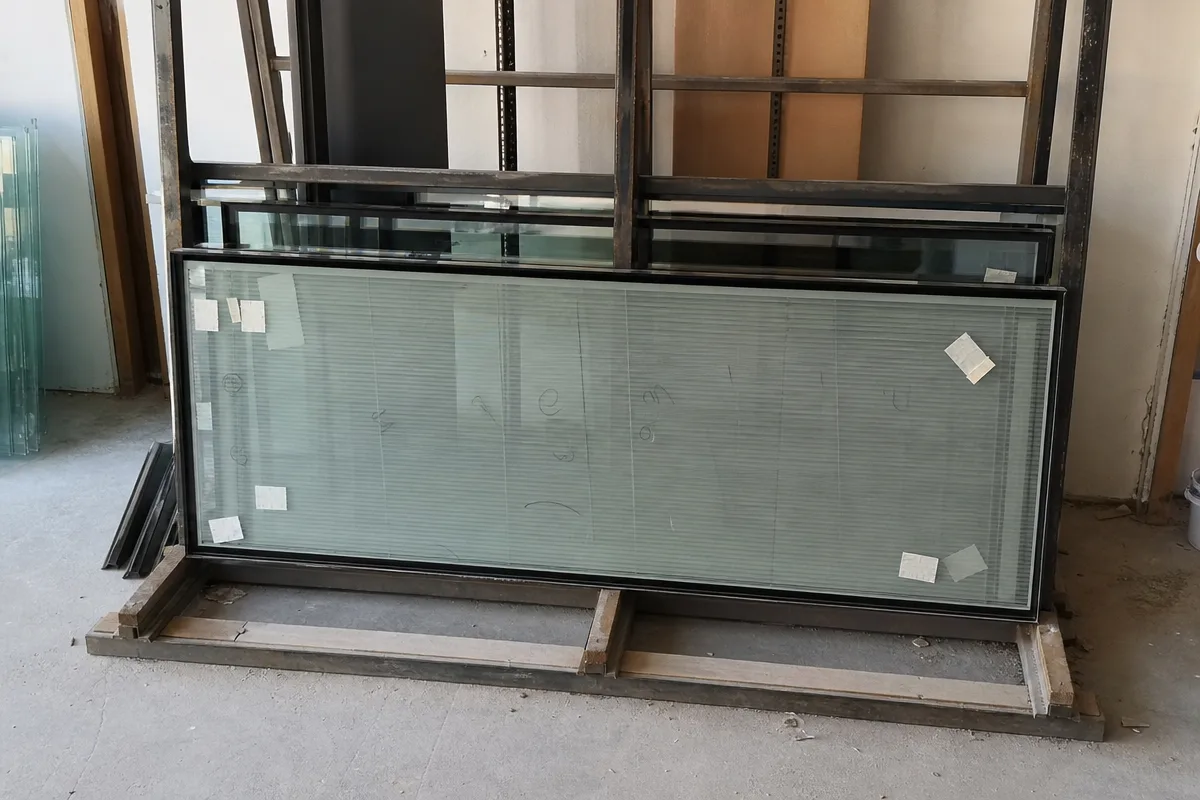
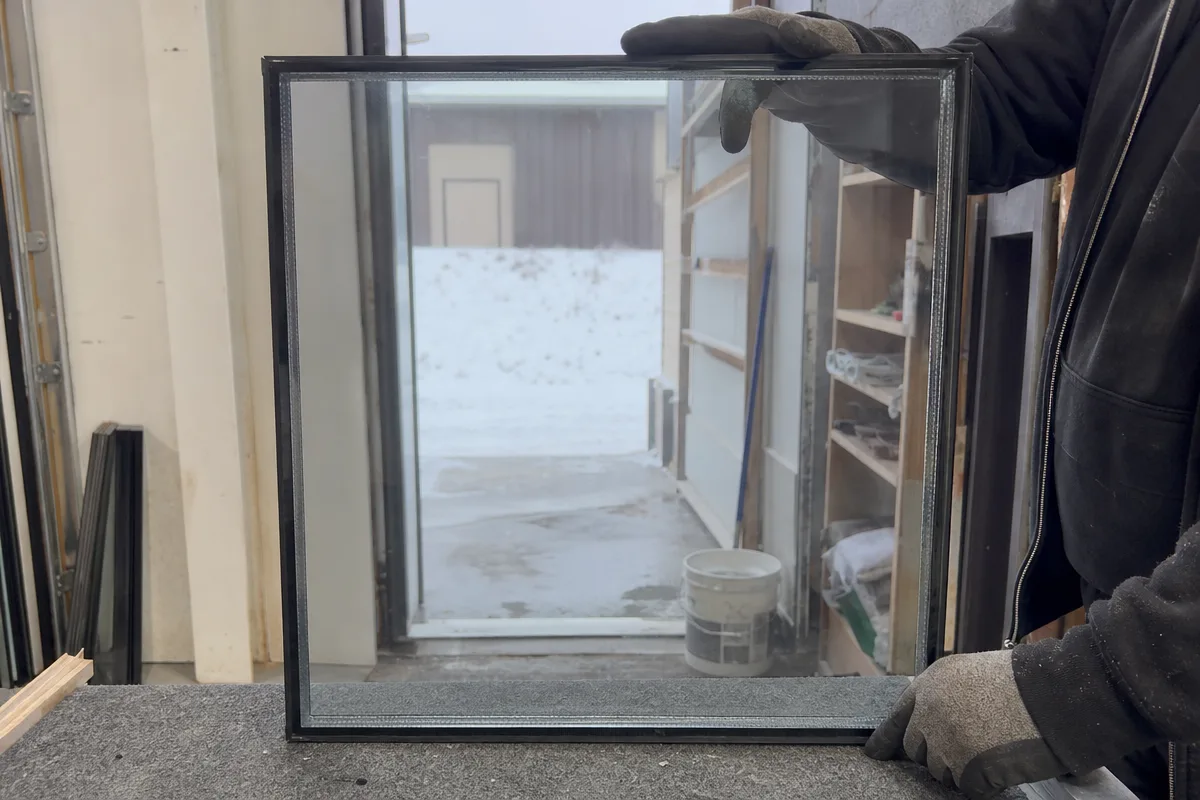
A complete finished specification should include the thickness and colour of each glass ply, the spacer type, gas fill, and any edge treatments. For asymmetrical units, this level of detail helps the fabricator replicate the tested performance characteristics exactly. Vitro Architectural Glass data shows that tint, coating, substrate, thickness, and gap all influence appearance and thermal performance. Without precise face orientation recorded, performance may be compromised.
Checklist for Ordering and Receiving
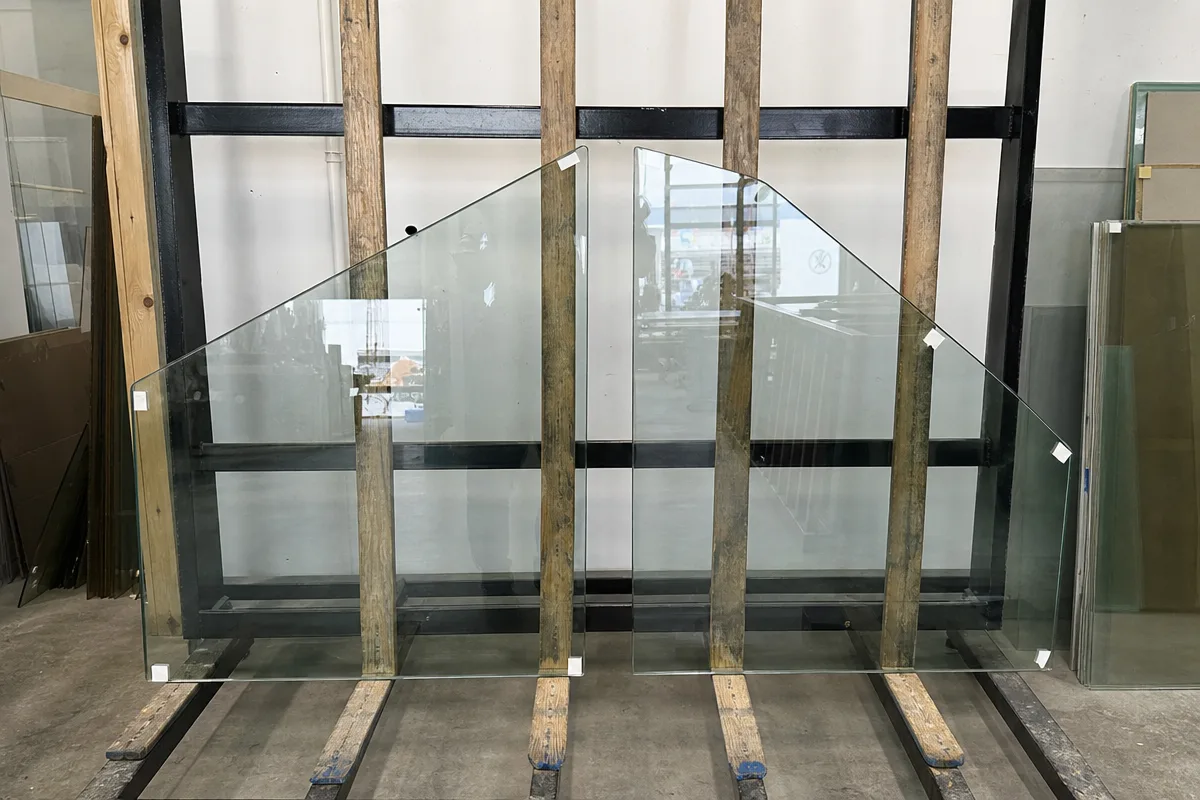
When placing the purchase order, specify the exterior face and the coated surface clearly, referencing the NGA’s face numbering convention. Upon receiving, verify that the unit matches the shop drawing and order details exactly, checking for coating placement and ply thickness. This practice prevents costly mistakes in retrofit projects where removing and reinstalling glass is disruptive and expensive.
Sources
Prepared with AI assistance using the references above.