Give both dimensions an explicit name
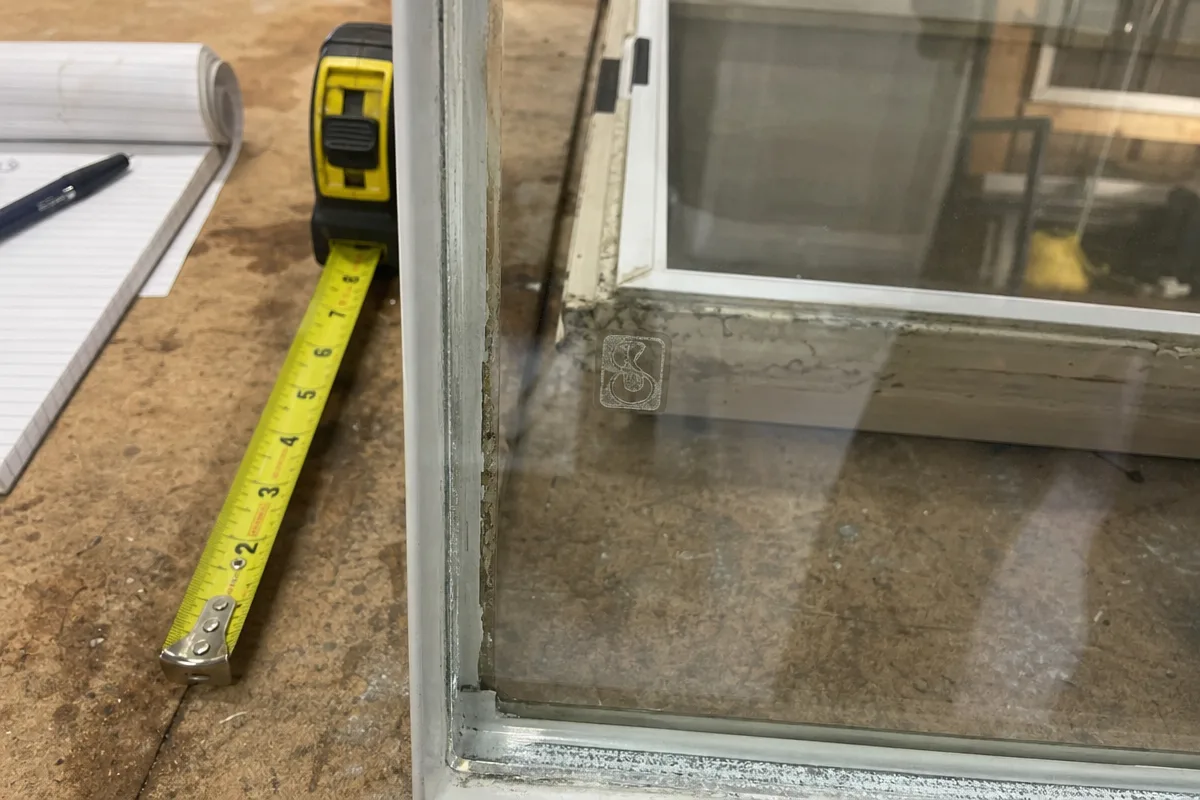
Sight size describes the glass you can see in the installed opening. A finished glass size describes the piece the supplier is expected to fabricate. Put each in its own field and label width, height and units. Leave the fabrication field blank until the project’s measuring method and supplier requirements are confirmed. A bare pair of numbers on a photo has no reliable way to communicate which size was recorded.
Keep the opening IDs tied to the glass build
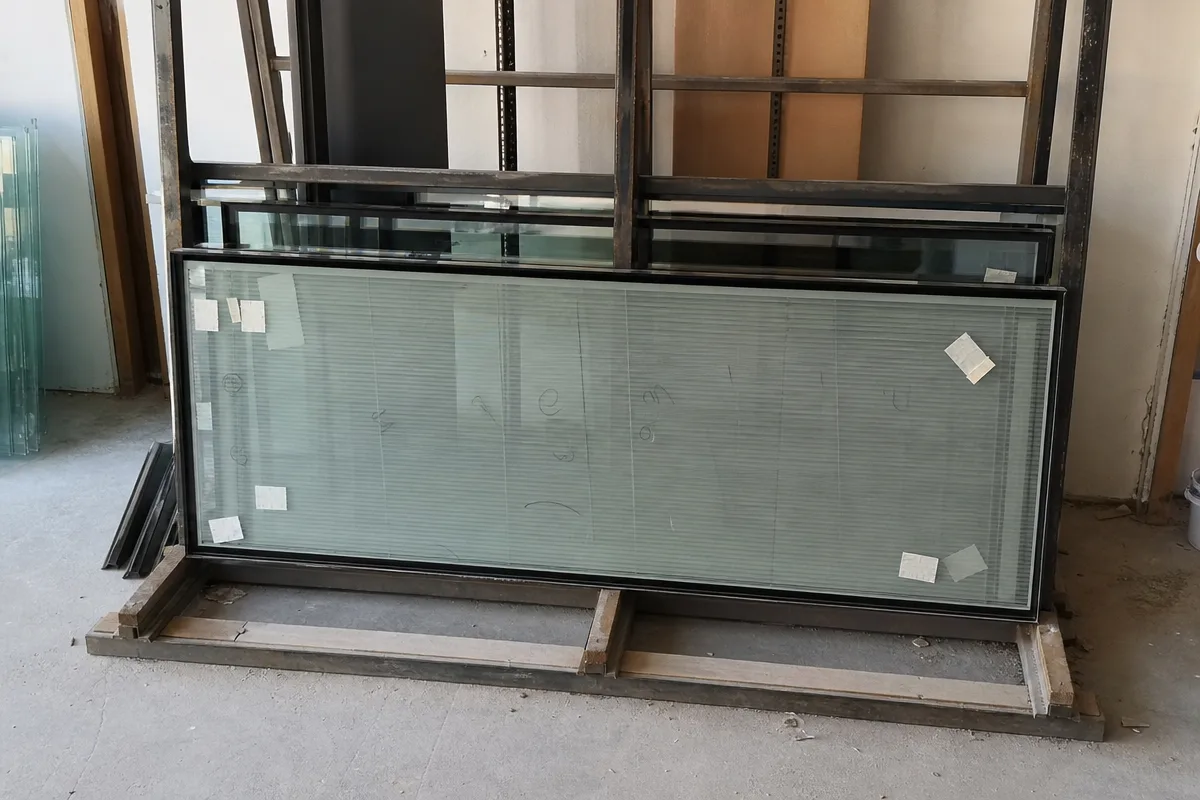
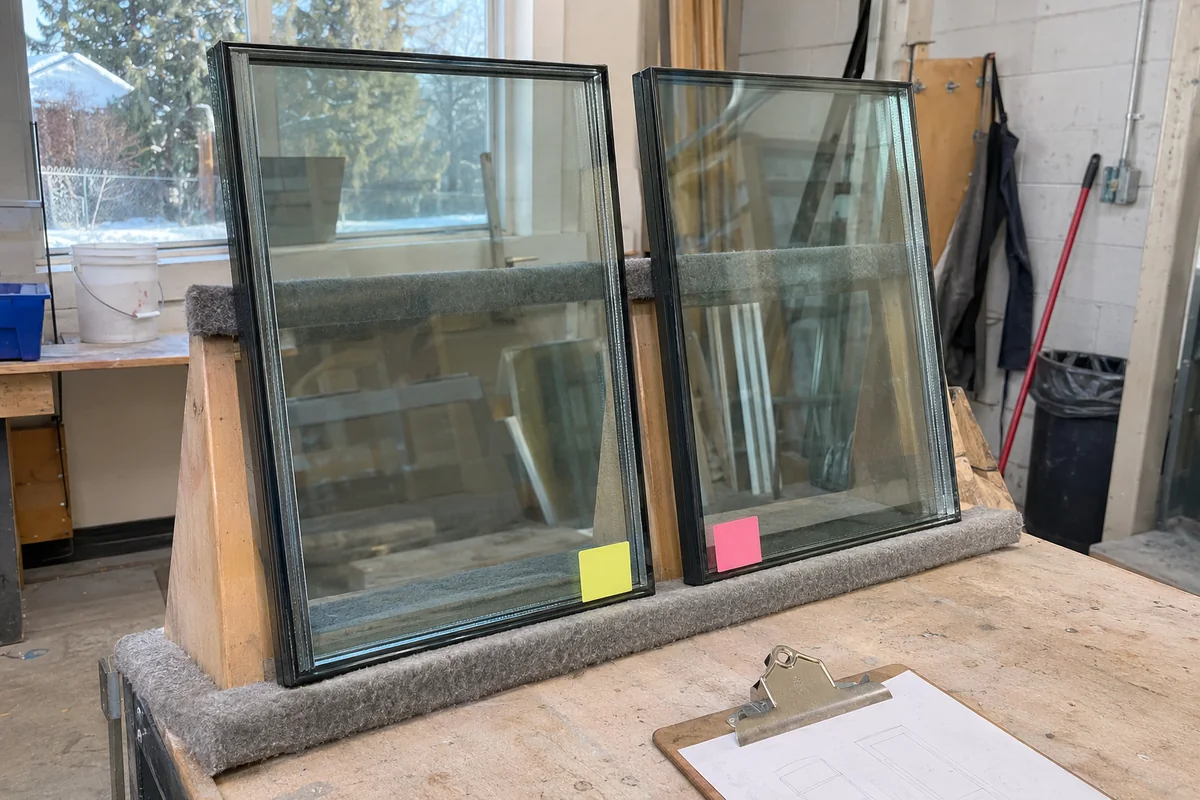
Imagine two storefront openings with the same visible width and height. One is an older replacement and the other is on a revised detail. Give them separate opening IDs and carry those IDs from the elevation to the glass order. Record the confirmed finished size, ply thicknesses, overall thickness and coating or safety treatment where specified. The supplier can then see which values have been verified for each row.
Keep the approved revision attached
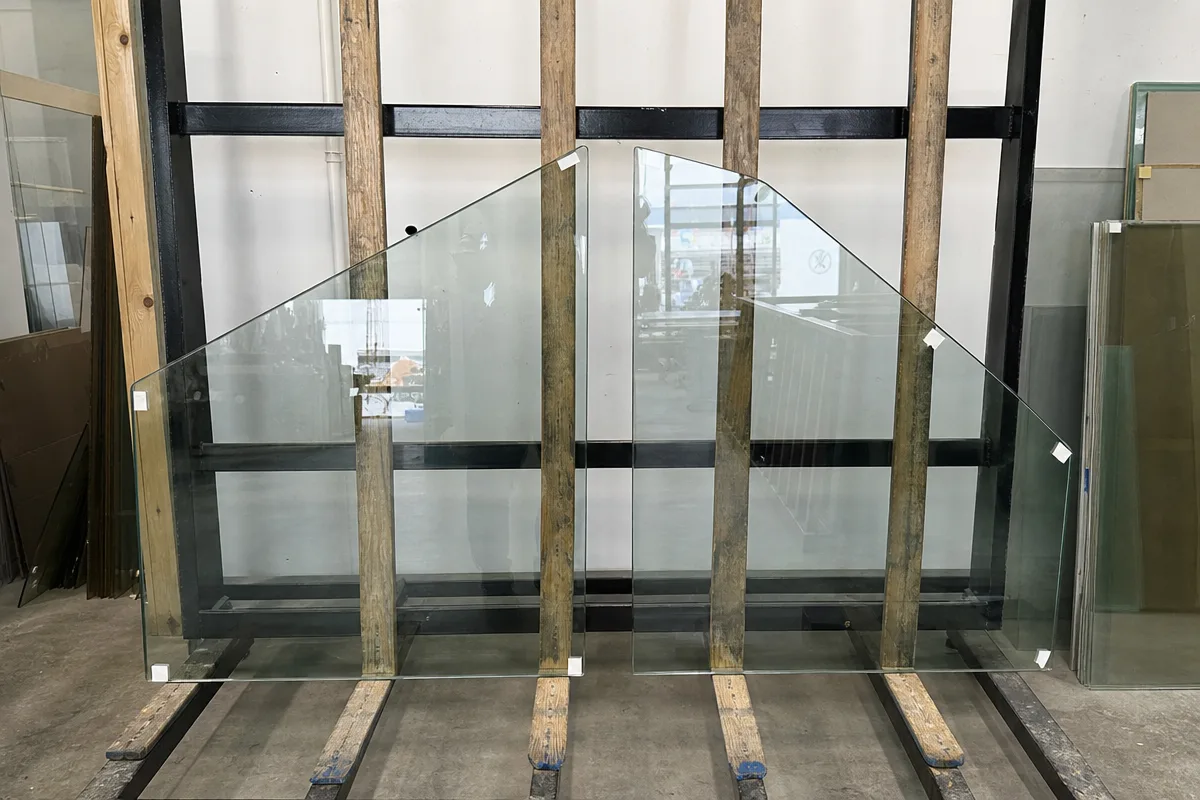
Send the cut list and the drawing together with one revision identifier. On a revised line, identify the value that changed and keep the original opening ID. Before fabrication, confirm that the supplier’s written acknowledgment uses the same units, width and height order, and glass build. For a partial release, identify which lines are ready and which are still awaiting finished sizes so a similar-looking opening cannot be released by association.
Sources
Prepared with AI assistance using the references above.