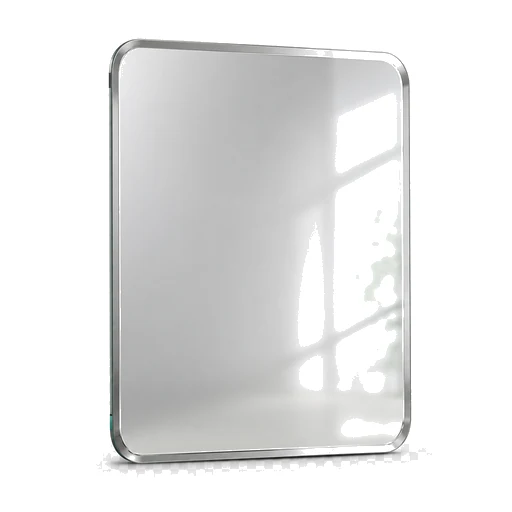
Wall mirrors
Size, edge polish, backing, outlets, mounting and wall condition affect the installation.
 Call/Text
Custom mirrors and interior glass are priced by more than width and height. Thickness, edge finish, holes, notches, cut-outs, safety construction, hardware, installation surface and access all affect the final scope.
If you need a glass installation quote for a mirror, shelf, tabletop or other cut-to-size interior piece, start with the finished dimensions and fabrication details rather than only the rough opening.
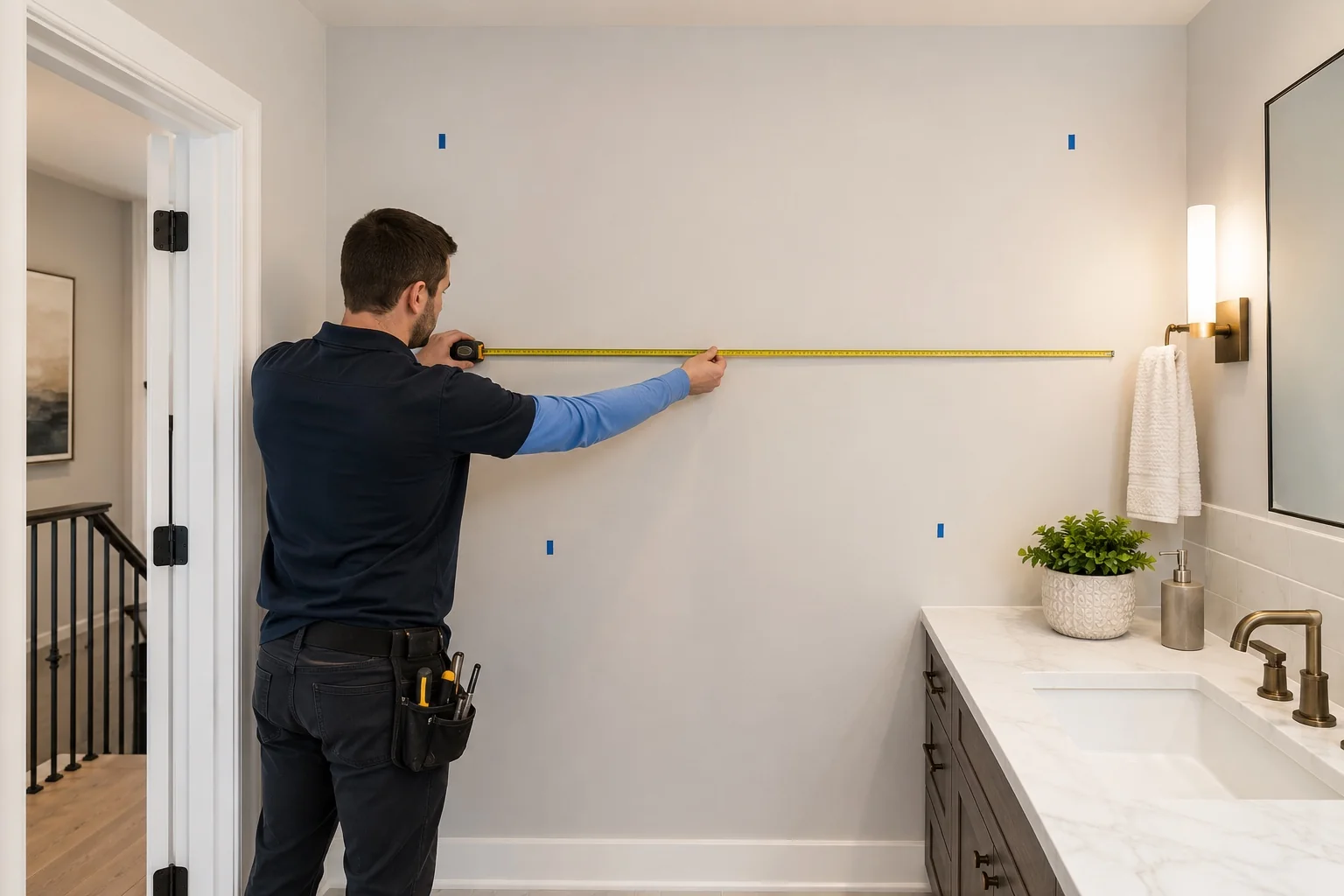
A useful custom glass quote starts with the finished use and dimensions, then adds thickness, edgework, holes, notches, shape and installation details. Installed projects also include mounting and site conditions in the glass installation range.
Custom mirror and interior-glass requests are reviewed across Toronto, Etobicoke and the GTA. Fabrication details and installation availability are confirmed before material is ordered.
A wall mirror, tabletop, shelf and shower panel can share similar dimensions but require very different glass, edgework and mounting. The estimator starts with the intended use, then collects shape, thickness, finish, fabrication and installation details.
Templates or site measurements may be required for walls that are out of square, curved shapes, switch cut-outs, plumbing notches or hardware holes. Preliminary homeowner measurements are useful for planning but not for fabrication.
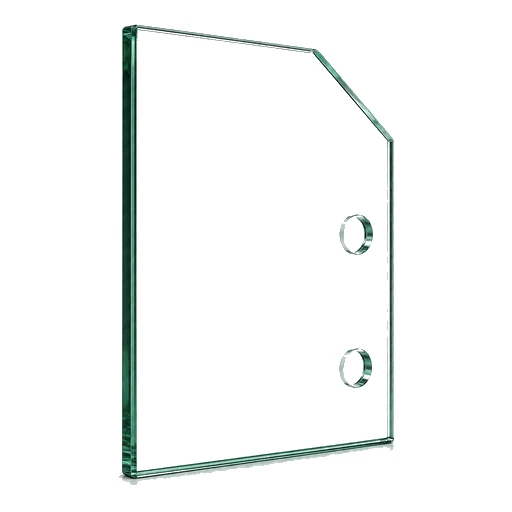
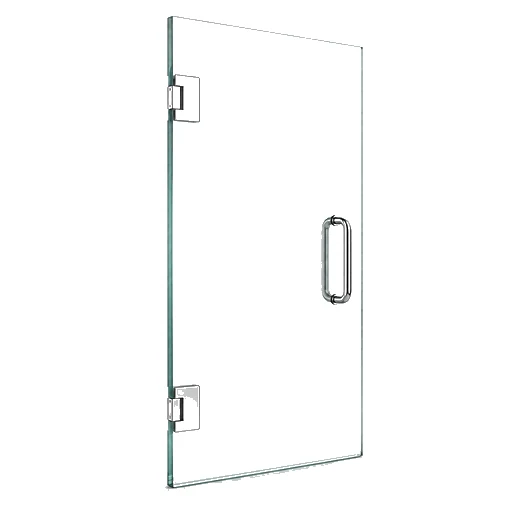
Start with what the finished piece must do. Plain-language notes and photos are enough for the review to identify edgework, holes, mounting, shape and other fabrication details.
Size, edge polish, backing, outlets, mounting and wall condition affect the installation.
Thickness, edgework, corner radius and support conditions must match the intended use.
Tempered glass, holes, notches and hardware positions require accurate field templates.
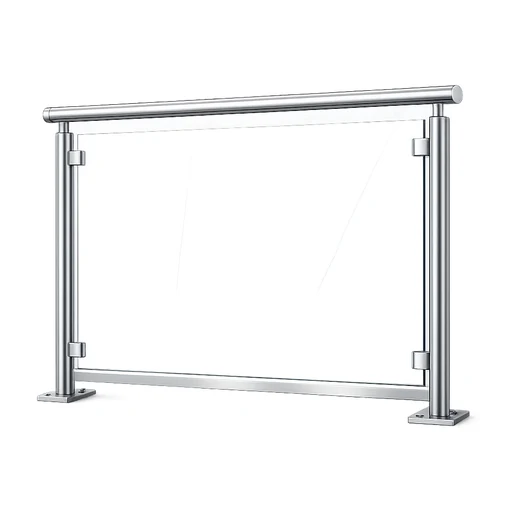
Railings and structural applications need separate engineering and system review.
A basic rectangular mirror with seamed edges is not the same scope as a polished tempered panel with multiple holes and notches.
Finished dimensions, glass type, thickness, edgework and fabrication details make a custom-glass planning range more useful. Irregular shapes or unknown hardware may still require a template.
Mirror, clear glass, low-iron, tinted, frosted, patterned or laminated construction.
Thickness, polished edges, bevels, corner radius and exposed-edge requirements.
Holes, notches, cut-outs, shapes and templates add manufacturing steps.
Adhesives, clips, channels, stand-offs, hardware, wall condition and access affect labour.
Select mirror, tabletop, shelf, shower replacement glass or another interior application.
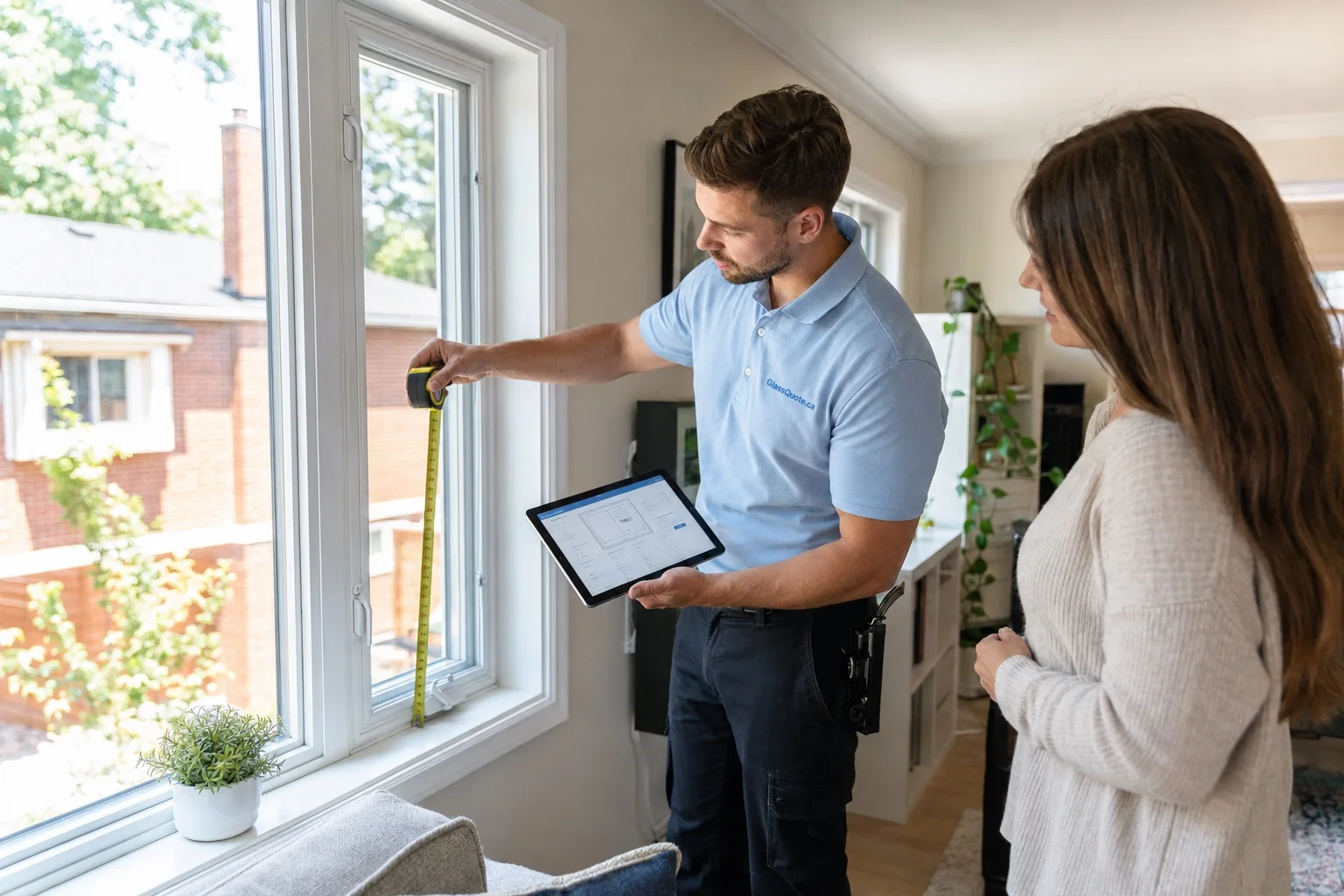
Provide the overall size, shape and any visible cut-outs for a planning range.
Exact measurements, edgework, hole positions and hardware are confirmed before production.
Interior glass often meets tile, cabinetry, stone, drywall or existing hardware. Small measurement errors can create visible gaps or prevent a panel from fitting. A field template is especially important for shower enclosures, irregular mirrors and replacement glass that must align with existing holes.
For windows, doors and fixed exterior openings.
View window glass replacement →
For commercial doors, sidelites and display openings.
View storefront glass replacement →
Learn how preliminary measurements should be recorded and labeled.
View window measuring guide →Featured in this order: Product Catalogue, Window Measuring Guide, then Window Black Catalogue.
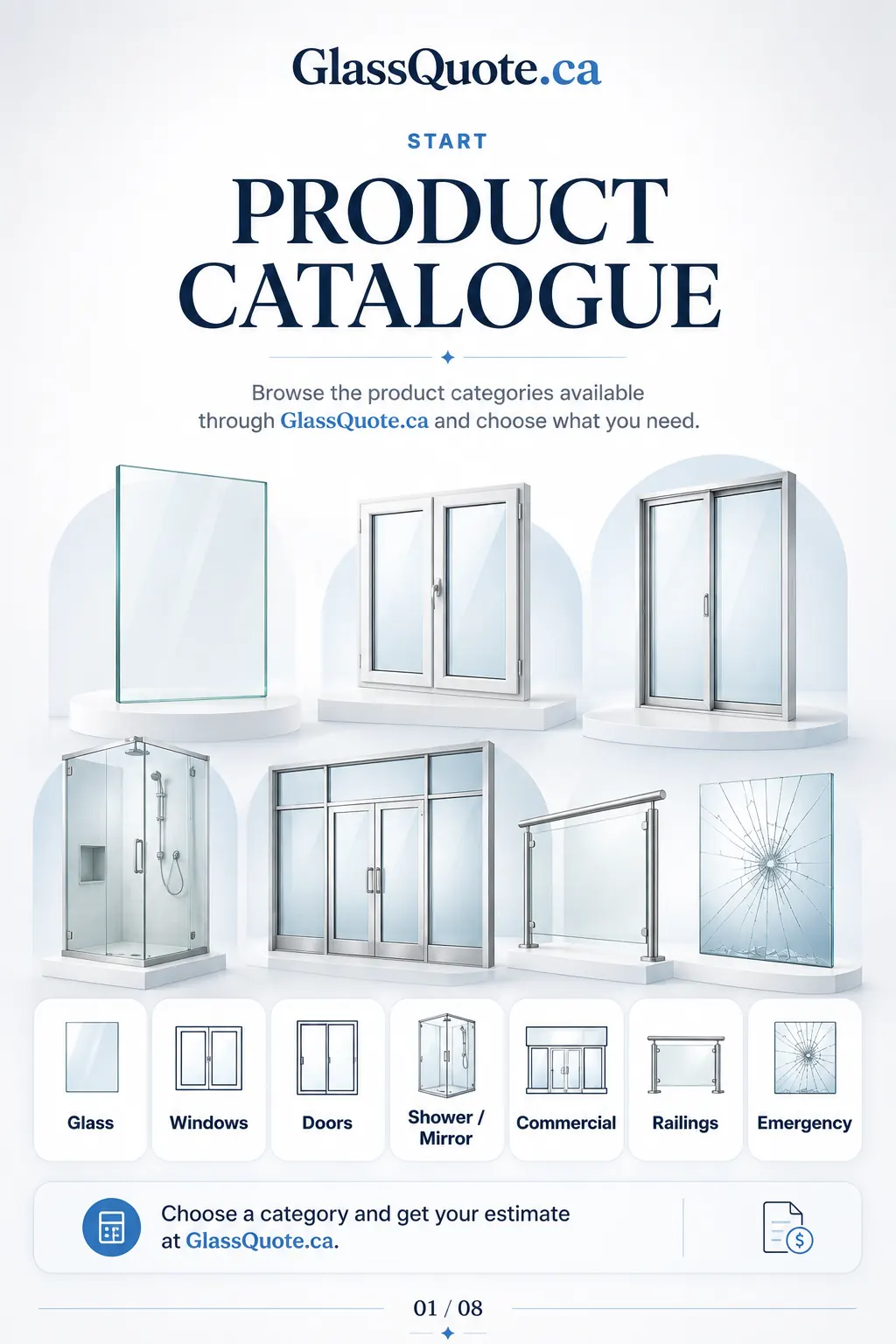
Browse the available glass, window, door, shower, commercial, railing and emergency choices.
Measure common window styles and visible glass with simple visual examples.
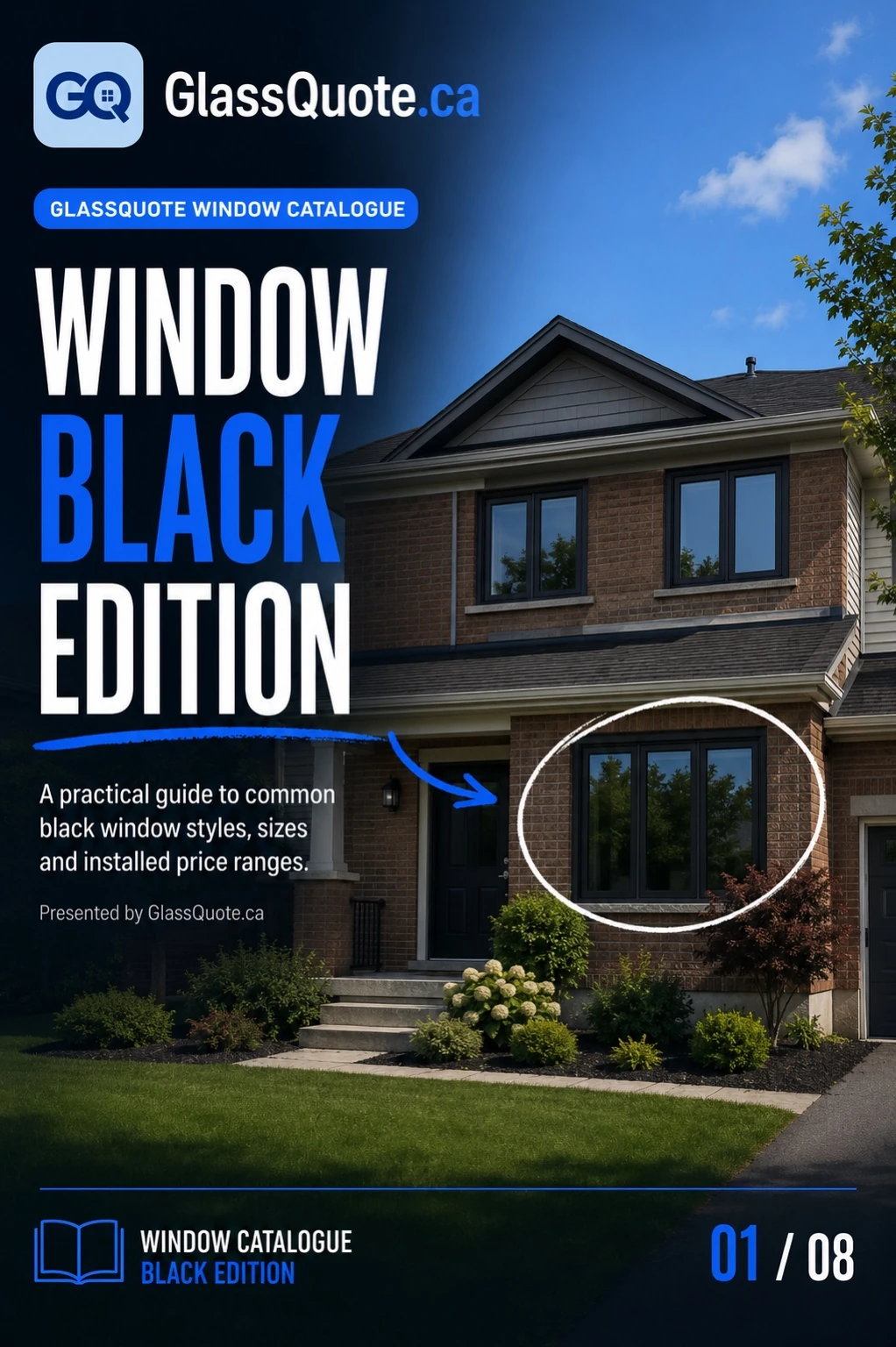
Compare common black-frame window styles and installed-range planning examples.
Homeowner measurements can support a planning estimate, but fabrication dimensions should be confirmed by the supplier or installer, especially for tempered glass and pieces with holes or notches.
Exposed edges normally need an appropriate finished edge such as flat polish. Concealed edges may use a simpler finish. The final choice depends on use and safety.
Shower applications generally require safety glazing. Hardware, hole positions and panel dimensions must be confirmed before tempering because tempered glass cannot be cut afterward.
Sometimes, but existing clips, channels, adhesive, wall condition and mirror thickness should be reviewed.
Show the full installation area, close views of edges and hardware, obstacles or cut-outs, and a tape measure for general scale when safe.

Choose Mirror / Interior Glass, select the intended use, and add approximate size, thickness, edgework, holes, notches and installation details.