Cracked single glass
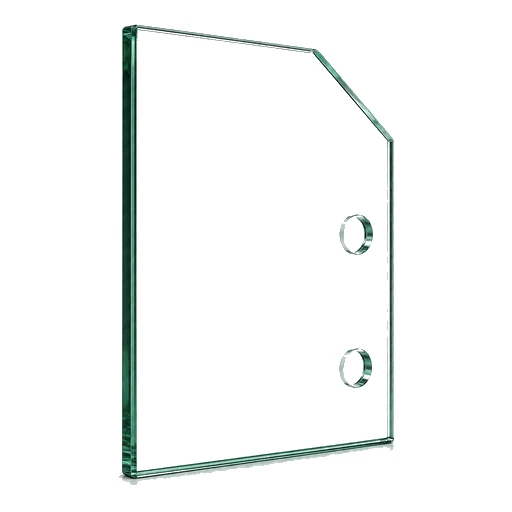
Cut-to-size glass may require thickness, edgework, holes or safety treatment to be confirmed.
 Call/Text
Start with the opening you have, then describe the damage, approximate size, glass construction and access. GlassQuote separates glass-only work from full window or door replacement so the first range is based on the actual scope.
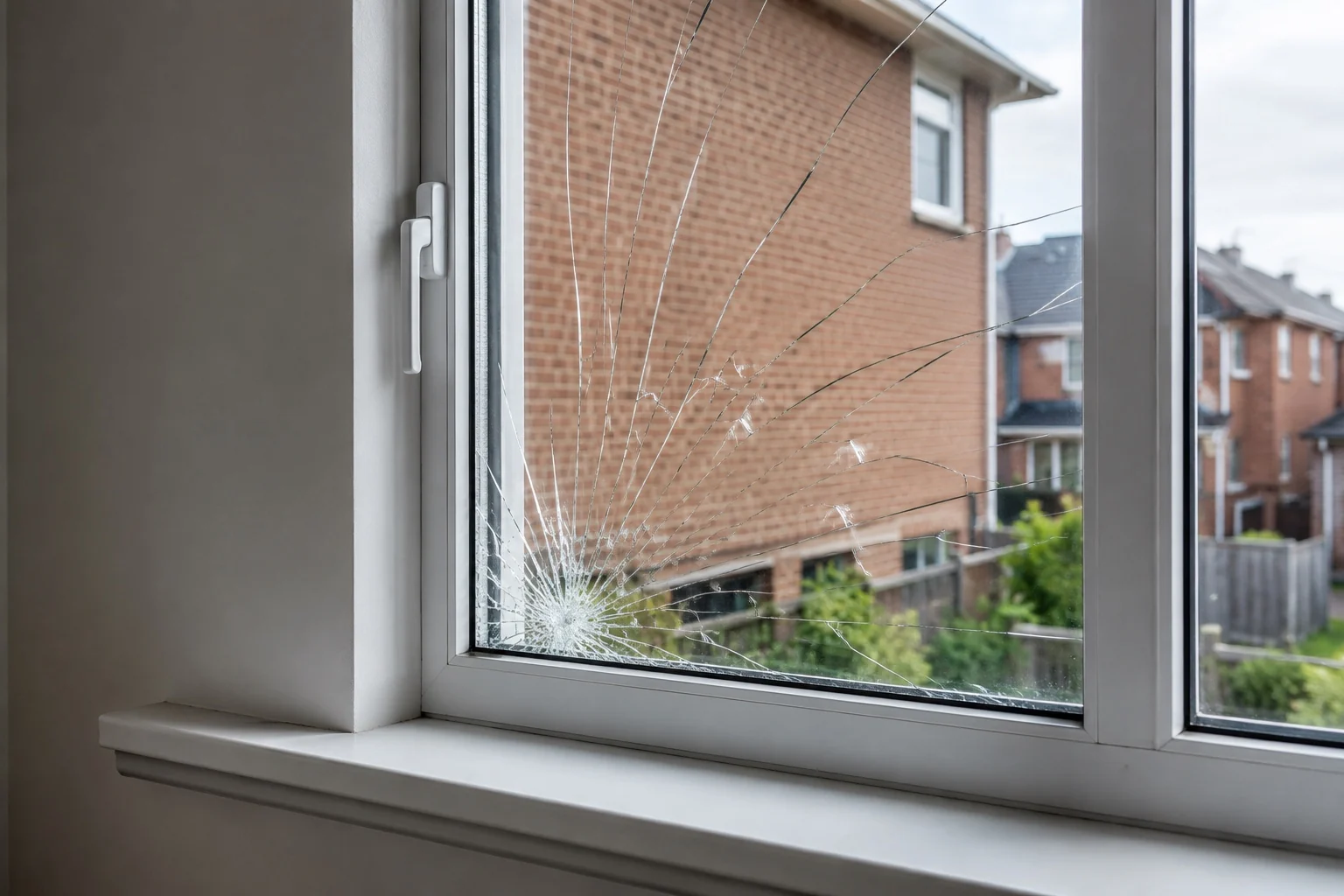
For many residential window glass replacement projects, the pane or insulated glass unit can be replaced while a serviceable sash and frame remain. Start with approximate width × height, the visible condition and clear photos.
Glass-replacement requests are reviewed across Toronto, Etobicoke and the GTA. Final glass specifications, access and provider availability are confirmed before work is scheduled.
Many cracked panes and failed sealed units can be replaced without removing the full window or door assembly. The useful question is whether the sash, frame, stops and surrounding opening are sound enough to accept replacement glass.
Photos help identify whether the opening contains single glass, an insulated sealed unit, a decorative insert or safety glass. Final glass type and manufacturing size still need confirmation before ordering.
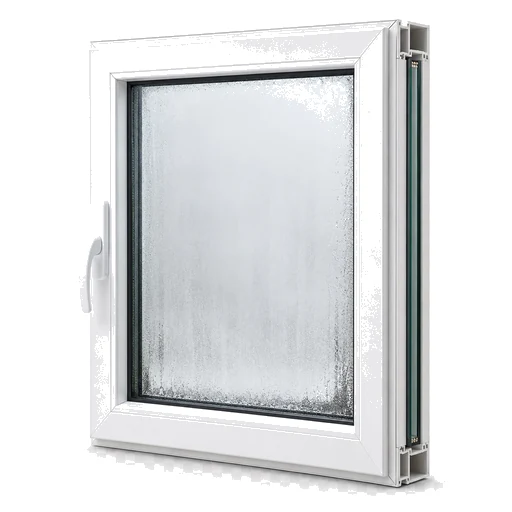
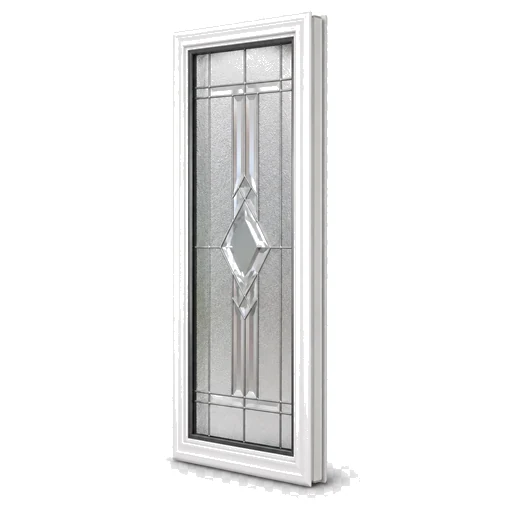
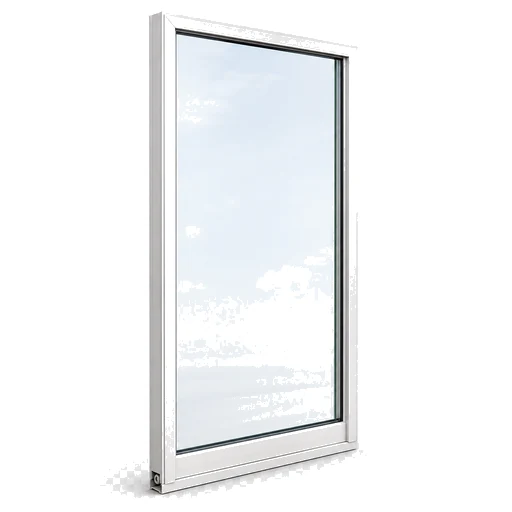
Describe the crack, fogging or missing glass in plain language and include the full opening. The review can then separate glass-only work from frame, hardware or complete-product repairs.
Cut-to-size glass may require thickness, edgework, holes or safety treatment to be confirmed.
Moisture or haze between panes normally points to insulated glass unit replacement.
Entry systems can include decorative, tempered, laminated or insulated glass constructions.
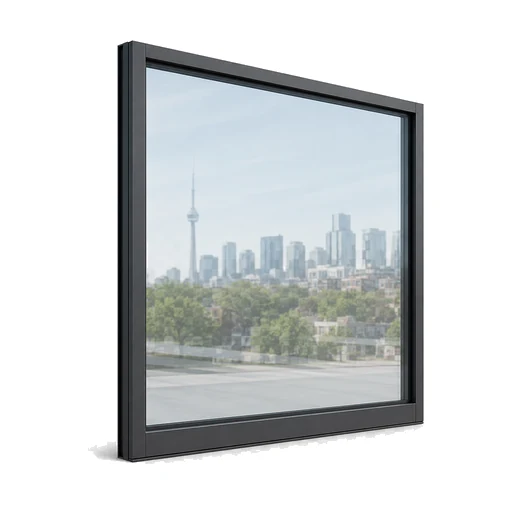
Storefront and larger panes add handling, access, boarding and safety considerations.
The estimator treats size, construction and installation conditions as separate inputs. A small ground-floor pane is not priced like a large insulated panel or upper-floor opening.
Glass size, construction, safety treatment, frame system, floor level and access are the key range inputs. Unknown product details can be confirmed from labels, photos or a field visit.
Single pane, insulated glass unit, decorative insert or specialty assembly.
Tempered or laminated requirements depend on the location and use of the opening.
Low-E coatings, tint, frost, grids and matching existing glass can affect supply.
Floor level, parking, removal route, weight and temporary protection affect labour.

Choose window, door, patio panel, interior glass or commercial glass and note the visible condition.
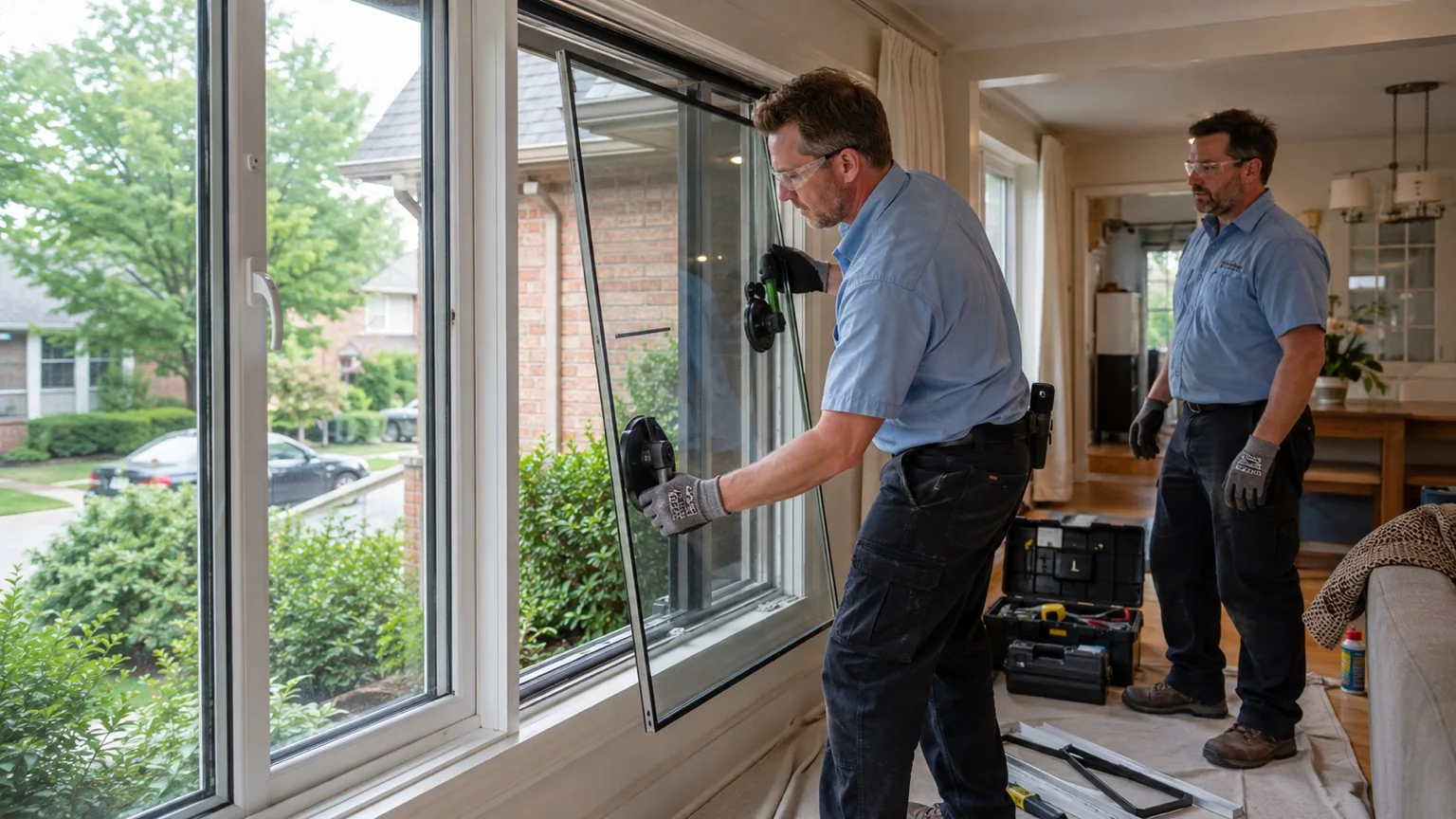
A full view, edge detail and wider access photo help identify the product and installation conditions.

Exact size, glass make-up, safety requirements and installation scope are verified before custom glass is ordered.
A replacement can be straightforward when the frame is sound and the opening is easy to reach. Rotted stops, damaged sashes, high floors, heavy panels, difficult parking or exposed openings can change the recommended next step.

Some light surface scratches can be assessed for polishing, but depth, location and glass construction matter. A scratch that catches a fingernail, affects a coating, sits in a critical viewing area or is accompanied by chips or cracks may be a better replacement candidate.
Do not aggressively polish tempered, coated or unknown glass without identifying the product first. Send a photo in reflected light, a close view of the scratch and a full-window photo. GlassQuote can route the request as scratch review, glass replacement or another repair option based on what is visible.
For condensation or haze trapped between panes.
View foggy window sealed-unit replacement →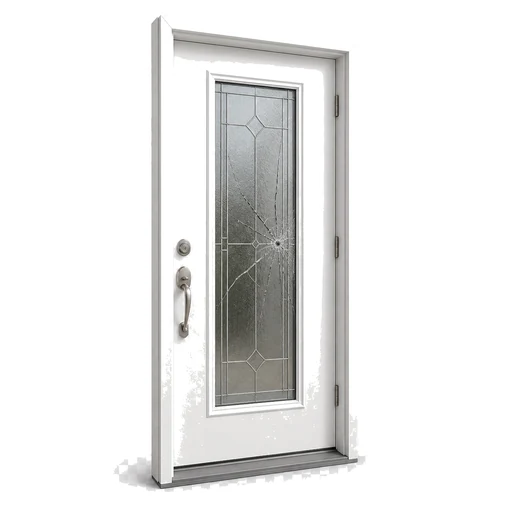
For entry inserts, sidelites and French-door glass.
View door glass replacement →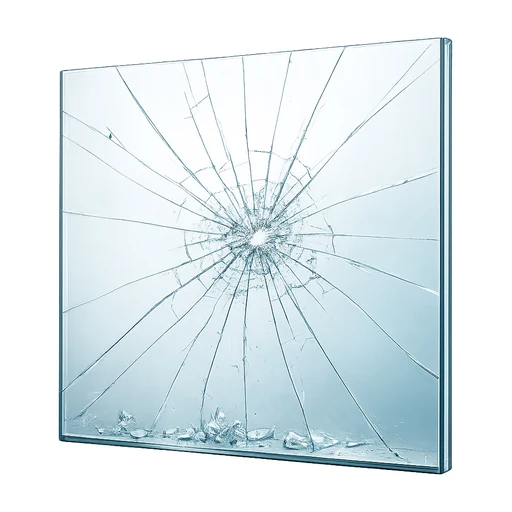
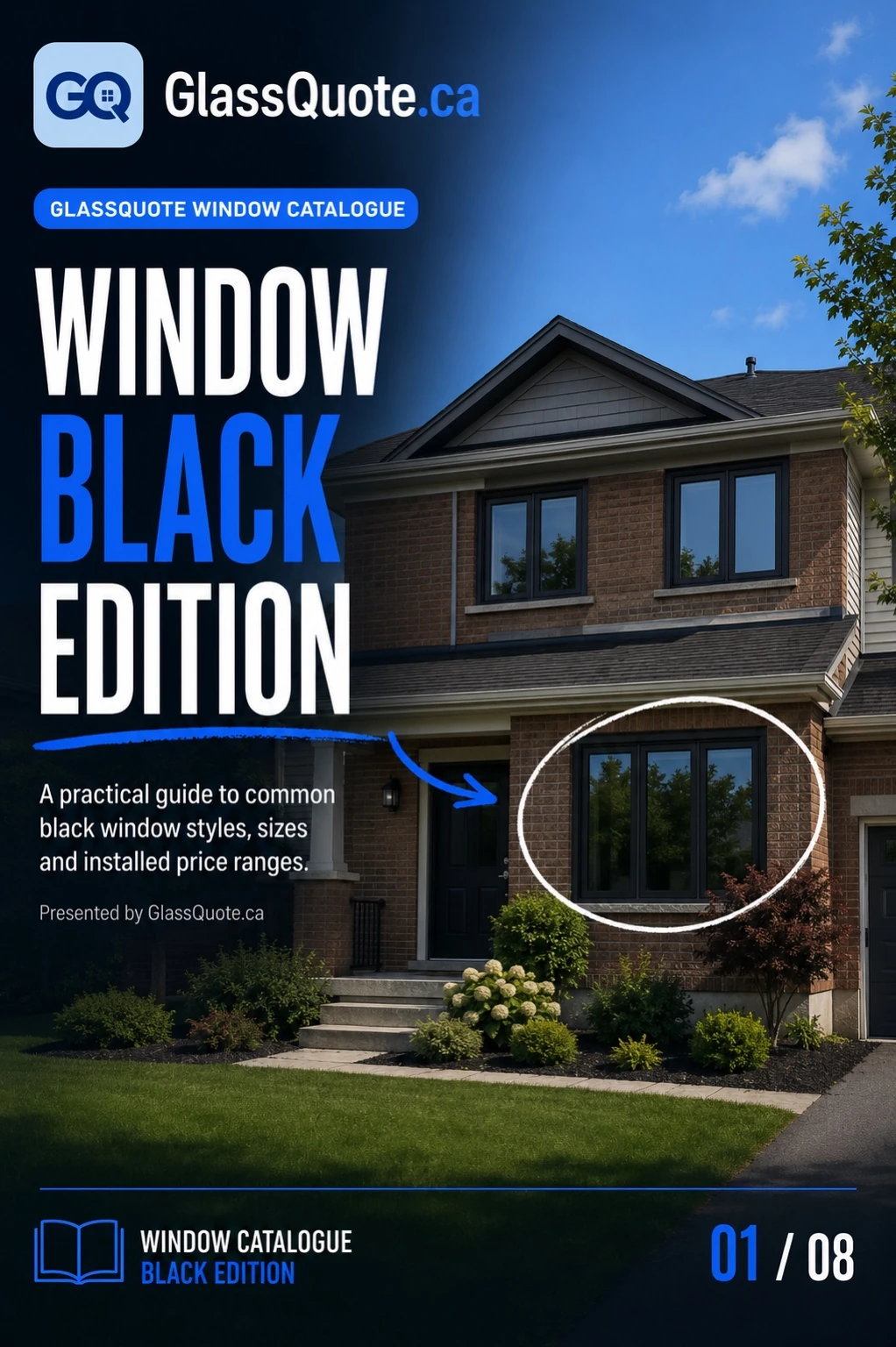
Featured in this order: Product Catalogue, Window Measuring Guide, then Window Black Catalogue.
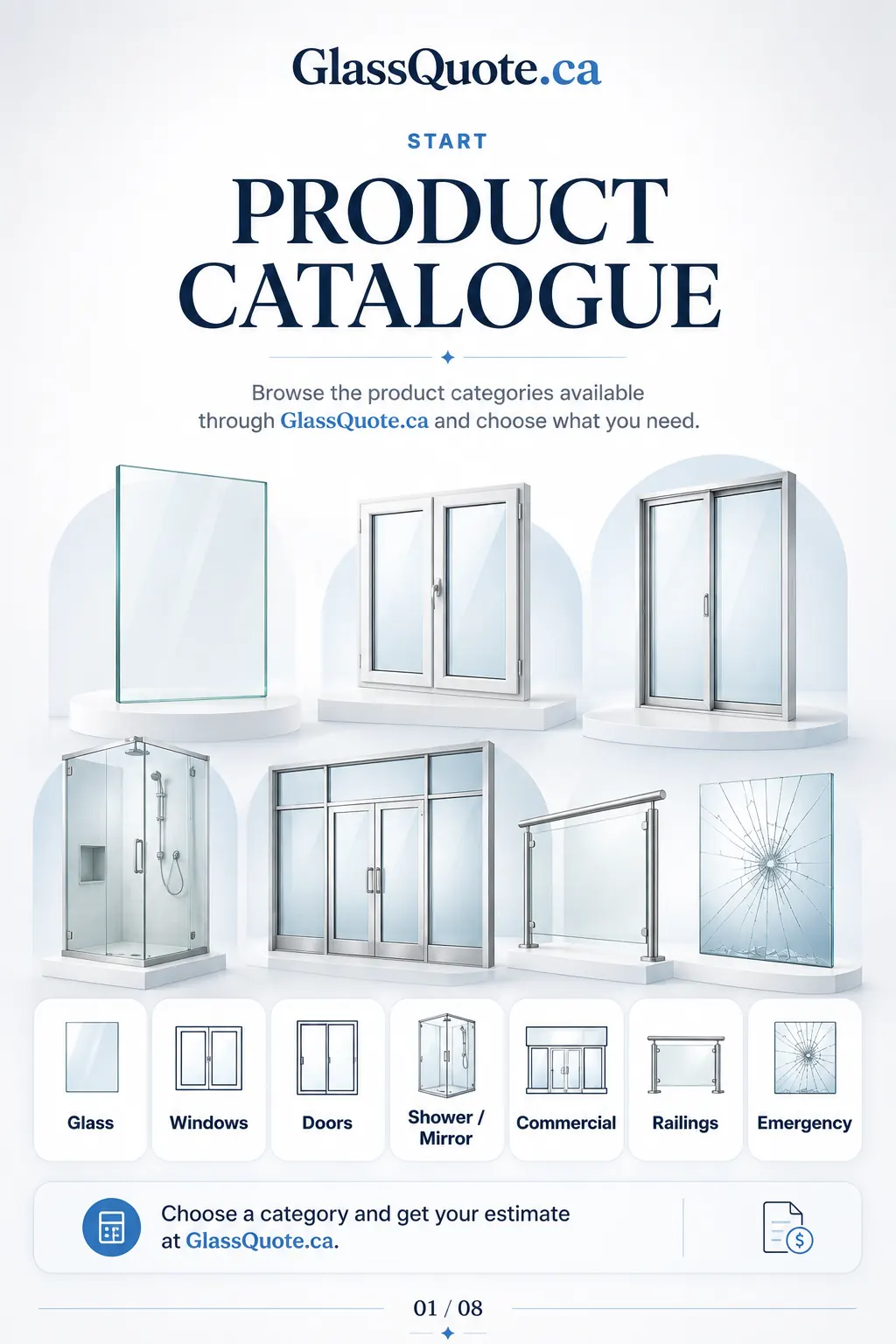
Browse the available glass, window, door, shower, commercial, railing and emergency choices.
Measure common window styles and visible glass with simple visual examples.
Compare common black-frame window styles and installed-range planning examples.
Often yes when the sash, frame and glazing stops remain serviceable. Photos and a field review are used to confirm whether glass-only replacement is appropriate.
An insulated unit normally has two or more panes with a spacer visible near the edge. A clear edge photo can help identify the construction.
That depends on the opening location, dimensions and use. The online range can include an allowance, but the final safety specification must be confirmed.
Sometimes, but older patterns, tints and coatings may not have an exact current match. Photos and samples may be needed.
Send a full-opening photo, a close view of the damage, an edge or spacer photo and a wider image showing access and floor level.

The estimator will separate glass type, size, access and urgency, then recommend photo review, site measurement or emergency routing.