Set the assembly’s reading direction
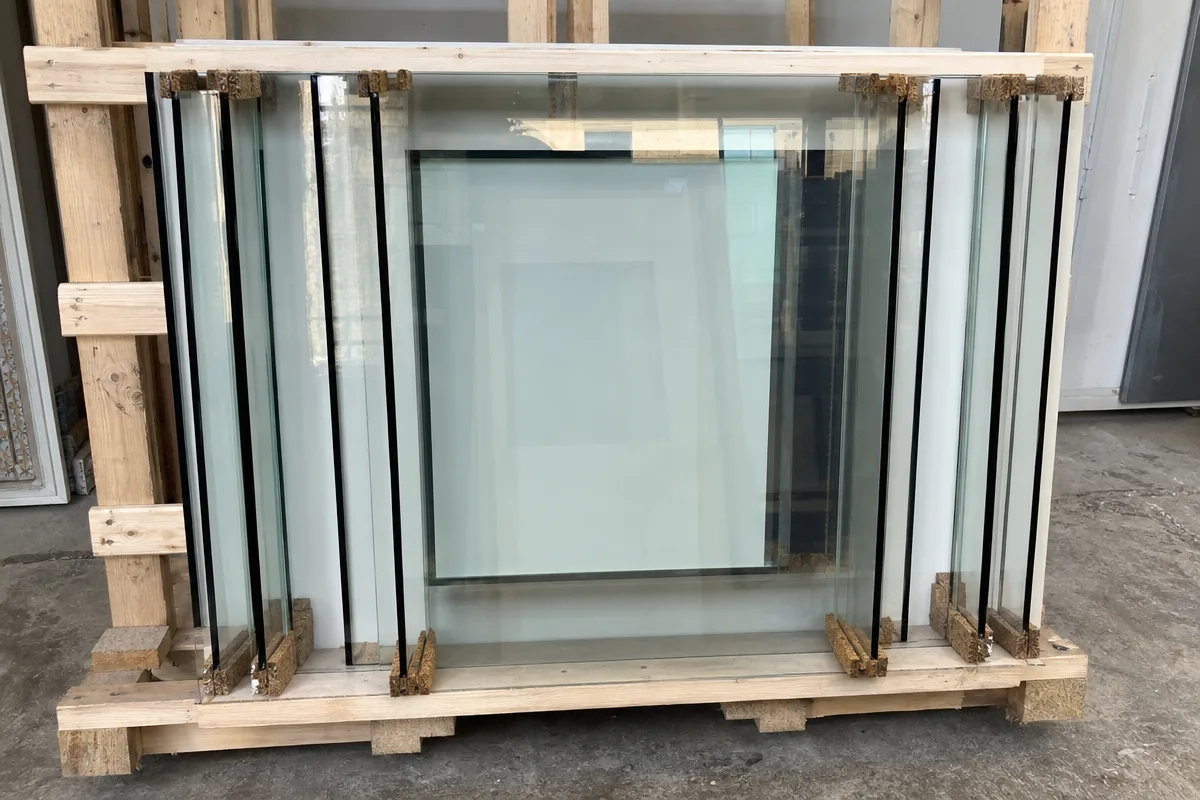
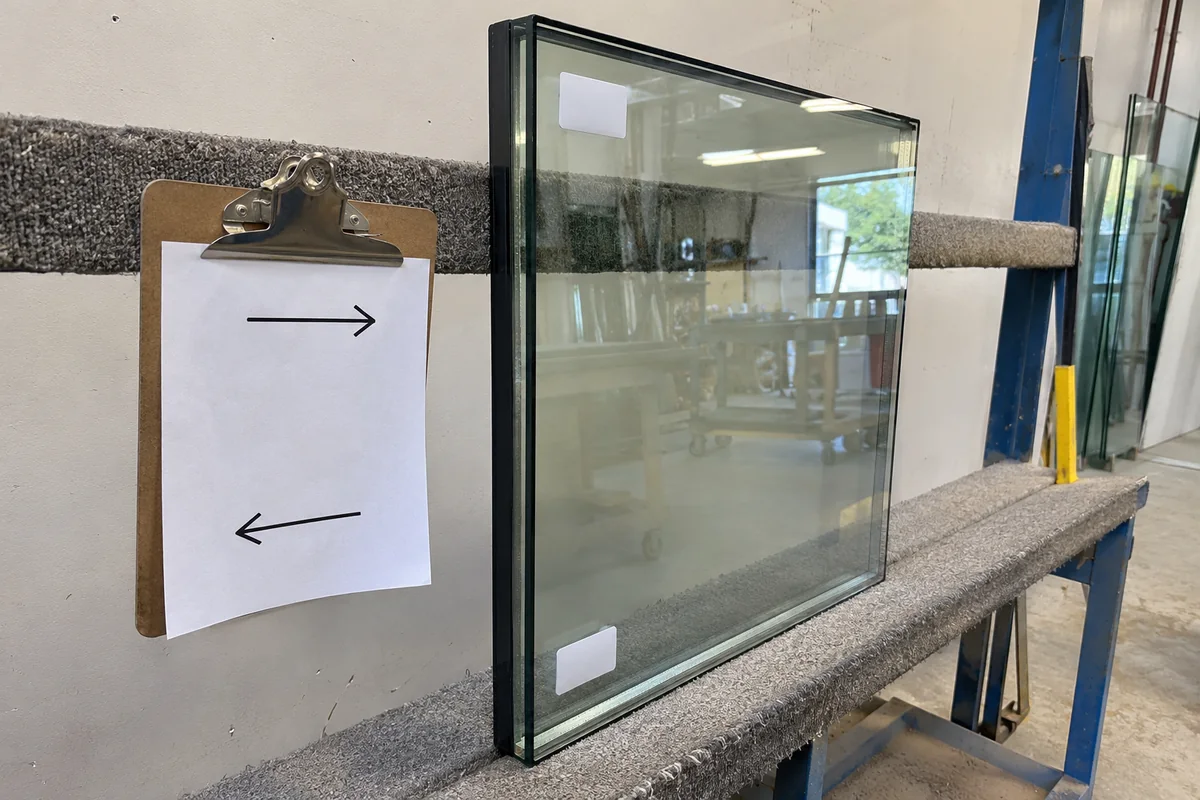
Start the order with the outside and inside faces identified. In a double-pane sealed unit, surfaces are numbered from the outdoors inward, with four surfaces across the two panes. That convention gives the supplier and installer the same reference when reading an order or an elevation. If the site’s orientation is unclear, show the exterior side on the drawing before naming a coating surface.
Write the coating and the surface as separate fields
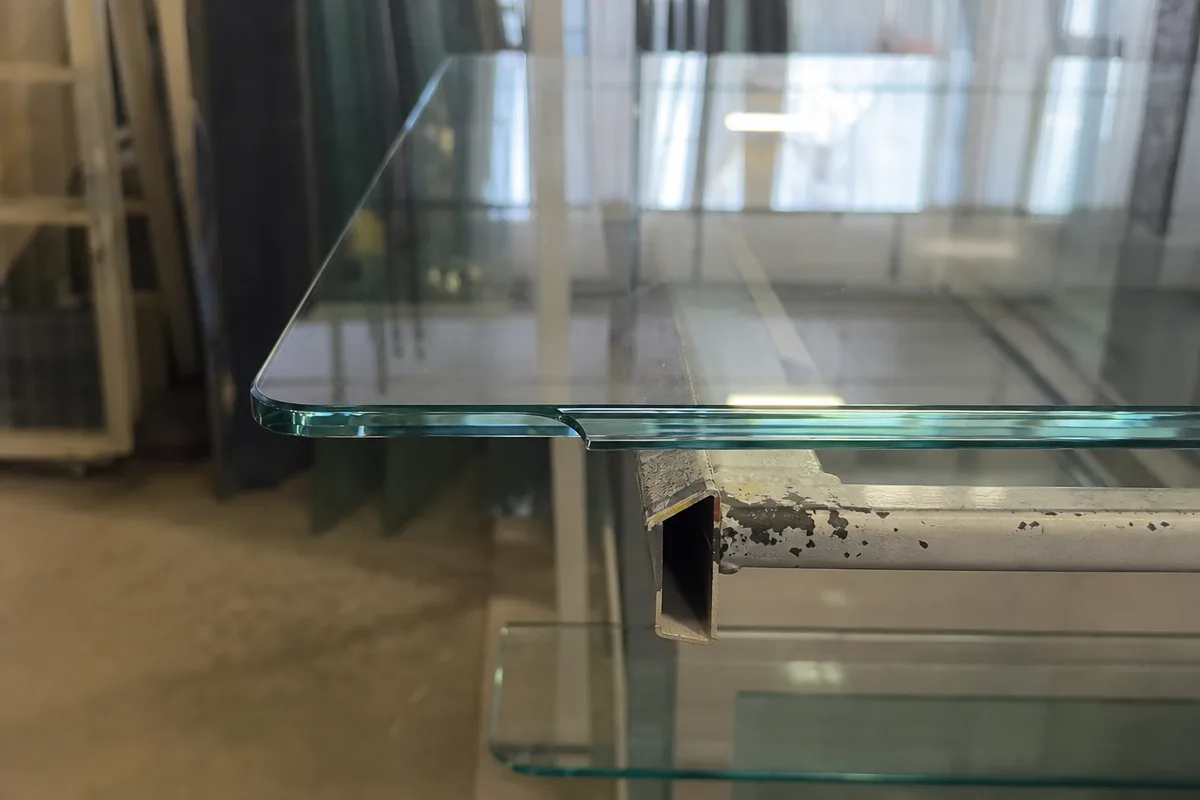
A supplier needs the intended coating designation and the surface where it belongs. The line should also identify the two panes, their thicknesses and the overall build where specified. Record spacer and gas-fill information in their own fields when known. These details let the supplier see which characteristics were confirmed on site and which still need to be checked before fabrication.
Carry the same references through delivery
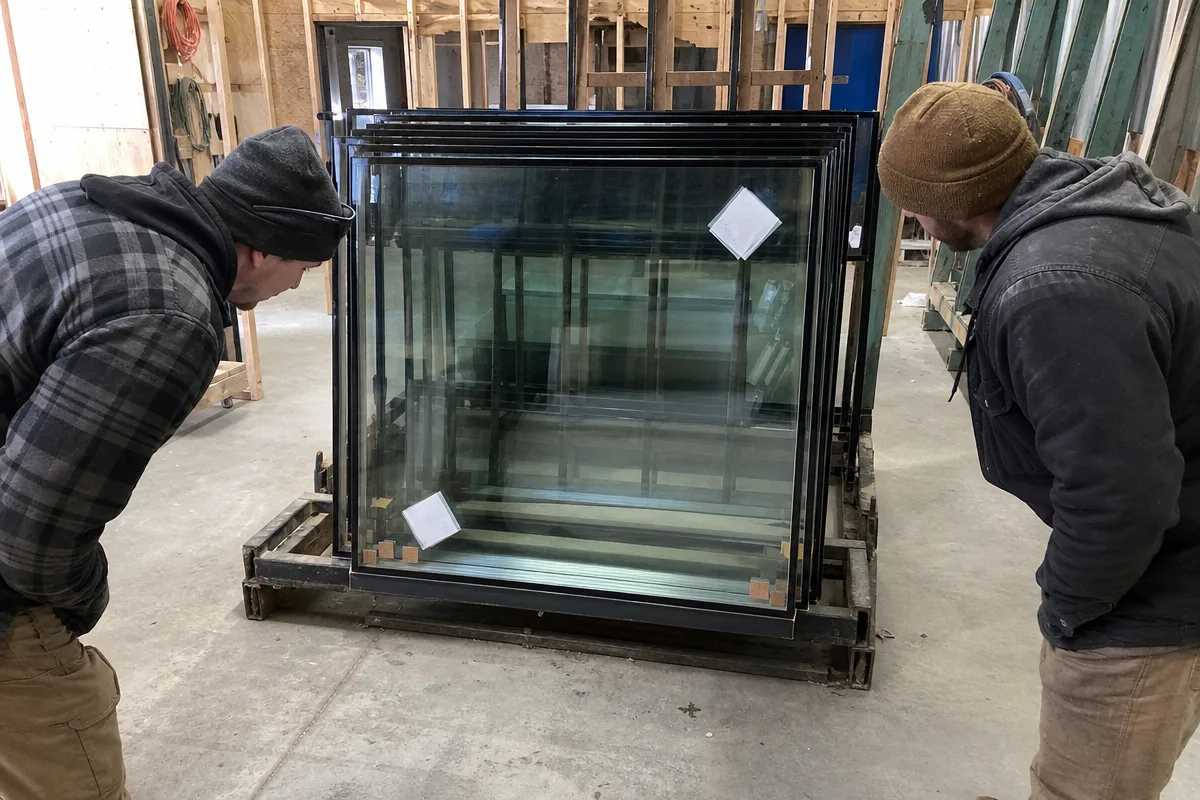
For an asymmetrical assembly, link the approved glass line to the opening ID and a clear exterior-view drawing. On the acknowledgment, compare the coating and surface fields with the drawing and the rest of the glass build. If you are matching a nearby unit, use its documented glass makeup or a supplier-approved comparison. Appearance and performance data depend on the exact build, including the glass, coating and gap used in the comparison.
Sources
Prepared with AI assistance using the references above.