Importance of Documenting Spacer Width and Gas Fill
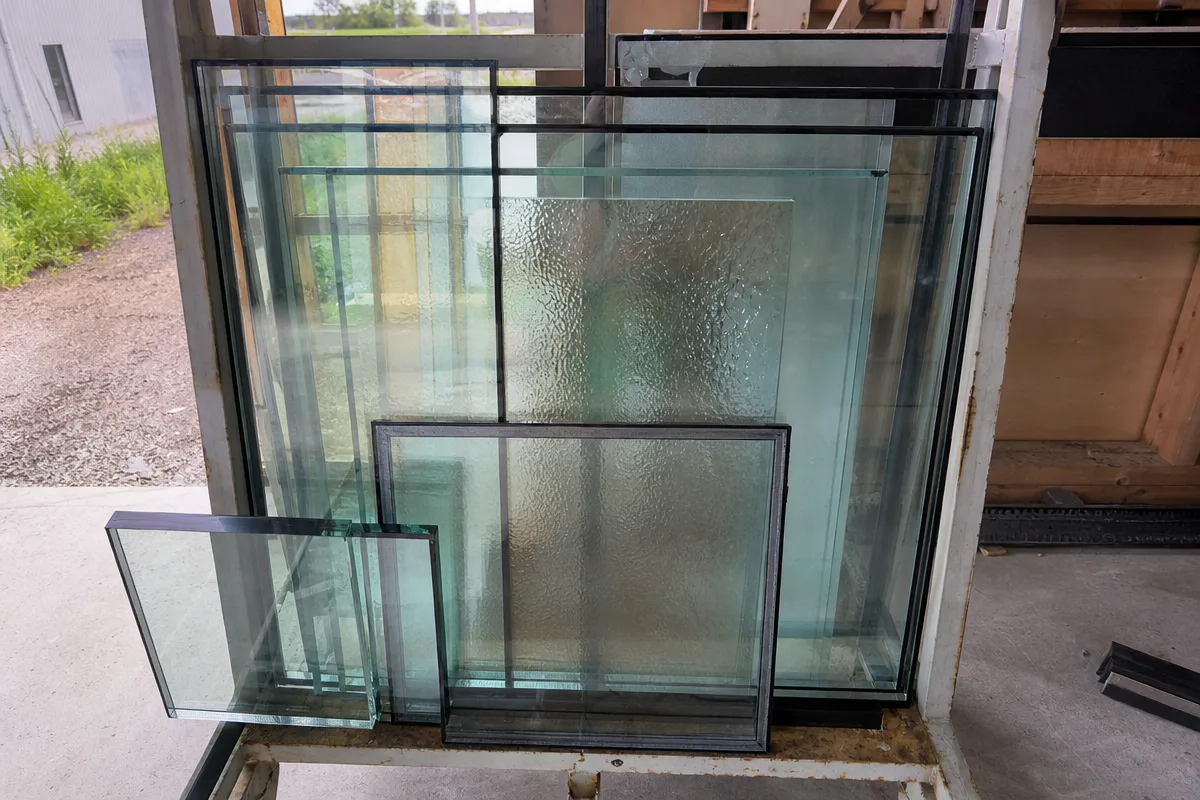
When revising a replacement glass order, accurately recording spacer width and gas fill type is crucial. These parameters affect thermal performance and unit integrity. The spacer width determines the airspace between glass panes, influencing insulation and condensation resistance, while the gas fill (commonly argon or krypton) reduces heat transfer within the sealed unit.
Failing to note these details on the purchase order or shop drawing can lead to receiving errors or mismatched units that compromise energy efficiency and warranty compliance. Always verify these specs against the finished unit and supplier documentation before finalizing the revision.
Checklist for Receiving Crews Handling Replacement Deliveries
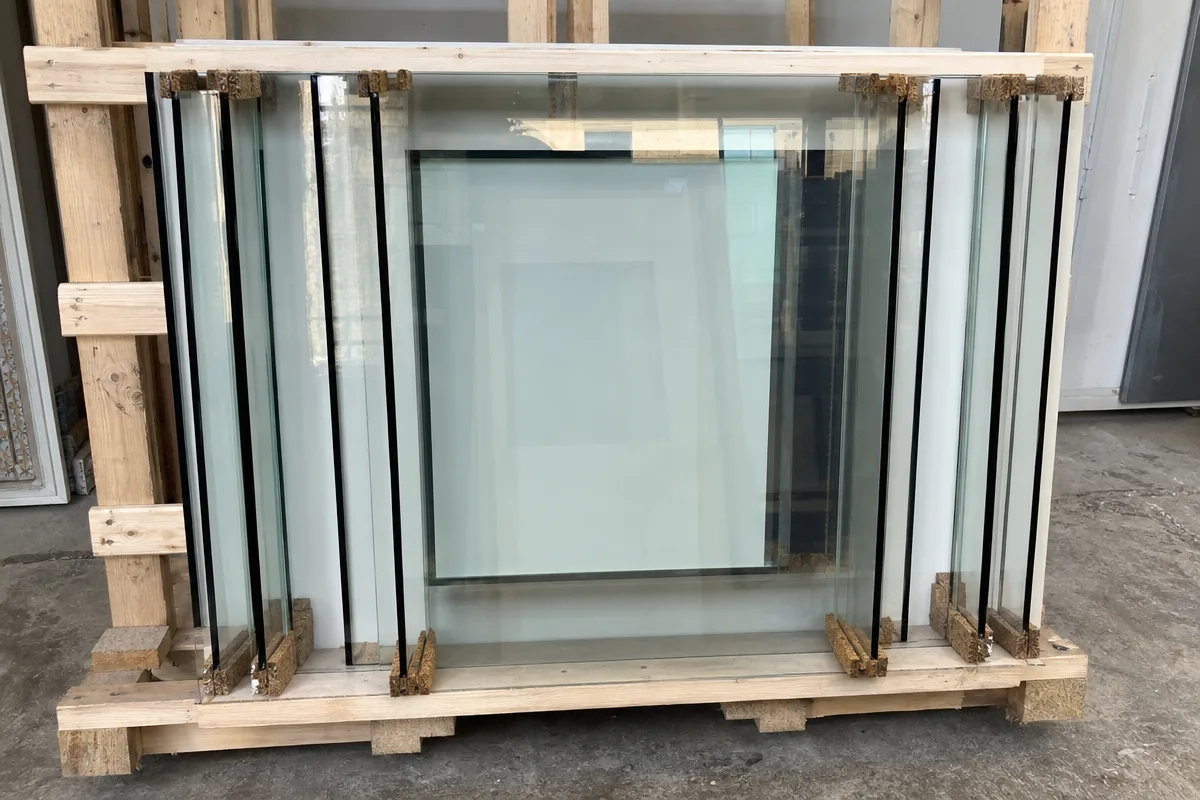
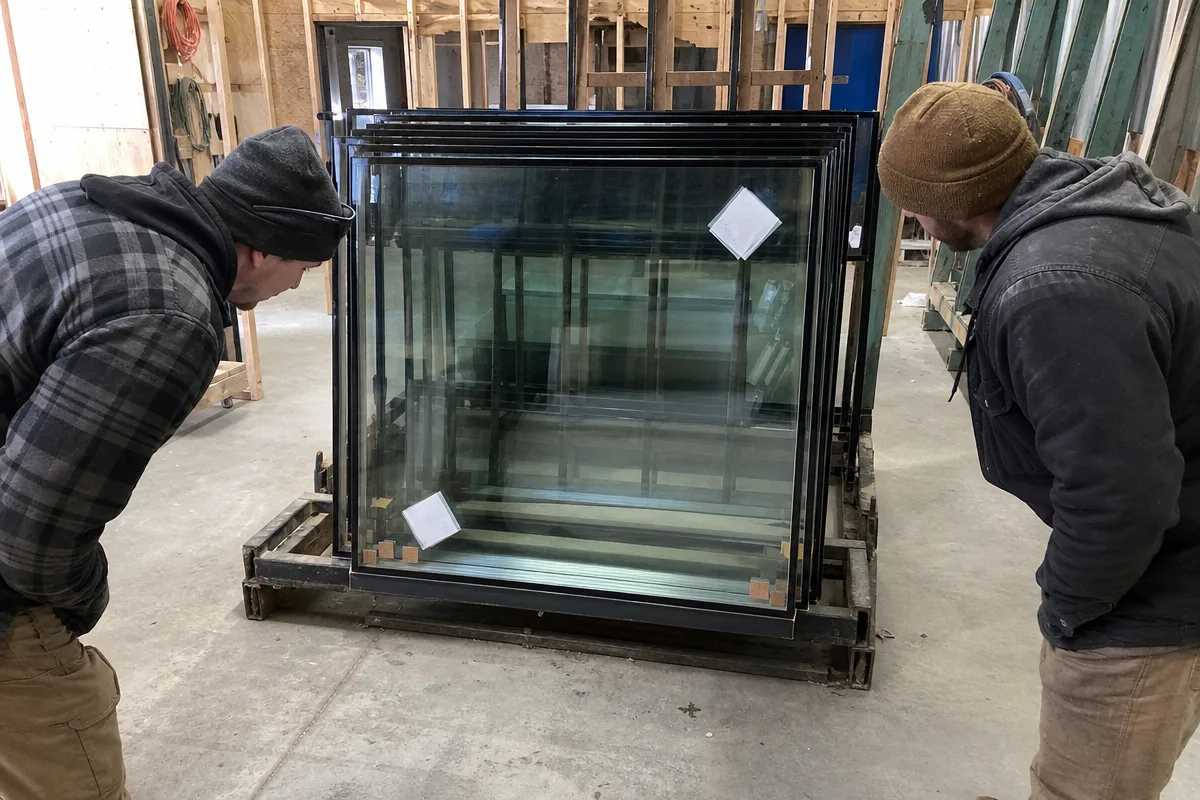
Receiving crews should confirm that each sealed insulated glass unit matches the revised order specifications, including spacer width and gas fill. Use a checklist that includes: verifying spacer dimension markings or labels, confirming gas fill type from supplier tags or documentation, checking for consistency with shop drawings, and noting any discrepancies immediately.
This practice ensures that the delivered units meet the specified thermal performance criteria outlined in the project documents and prevents costly reorders or installation delays.
Recording Spacer and Gas Details on Revision Documents
On replacement-order revisions, explicitly annotate spacer width in millimetres or inches and specify the inert gas fill type. For example, a note might read: 'Spacer width: 12 mm warm-edge spacer; Gas fill: Argon.' Include this information on the finished specification sheet, shop drawing, and purchase order.
This clarity facilitates accurate communication between the supplier, receiving crew, and installation team, aligning with best practices recommended by the National Glass Association and Natural Resources Canada.
Sources
Prepared with AI assistance using the references above.