Clarify Edge Treatment in the Finished Specification
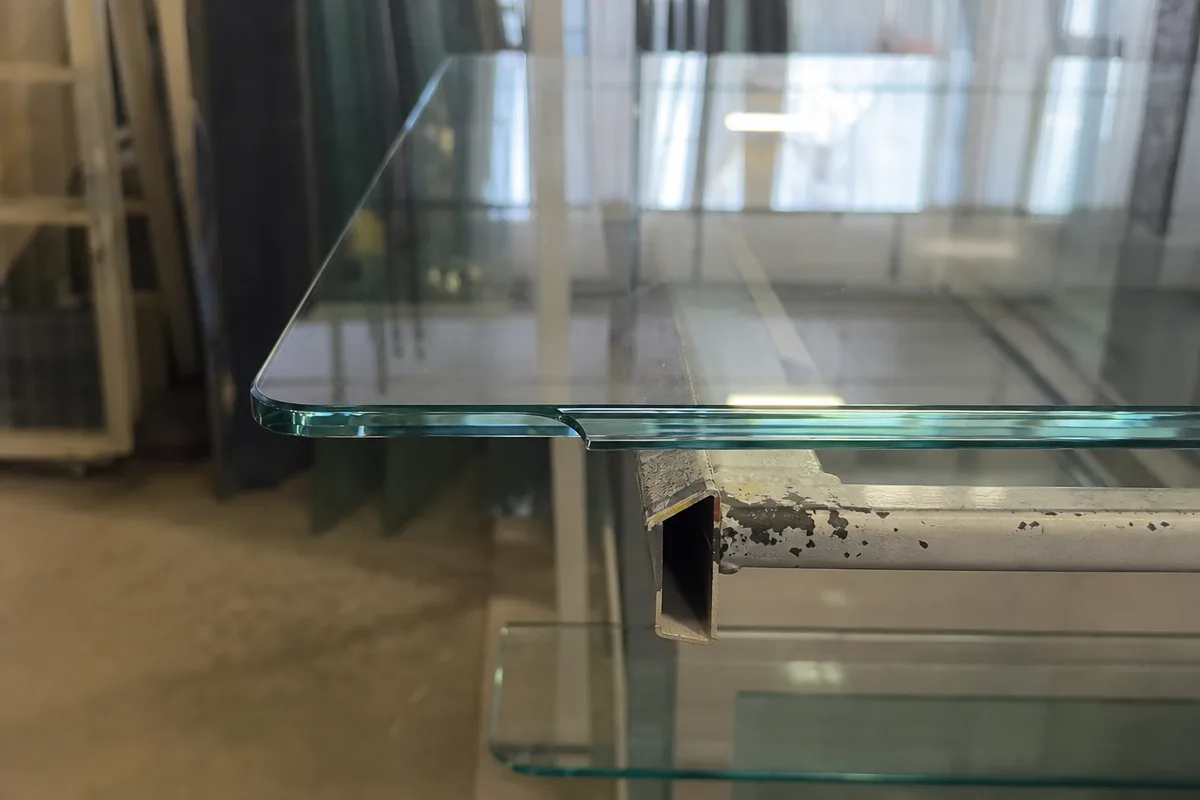
When specifying a glass shelf with an asymmetric layout, it’s crucial to clearly document the edge treatment on the finished specification. For polished edges, note the exact type (e.g., flat polished or pencil polished) and ensure it aligns with the shelf’s aesthetic and safety requirements. If a seamed edge is acceptable, specify the seam width and finish quality to avoid ambiguity. This clarity helps suppliers understand the exact finish expected, preventing costly rework or delays. Include the edge treatment alongside thickness, colour, and overall build details as recommended by the National Glass Association.
Coordinate Dimensions and Supplier Approval
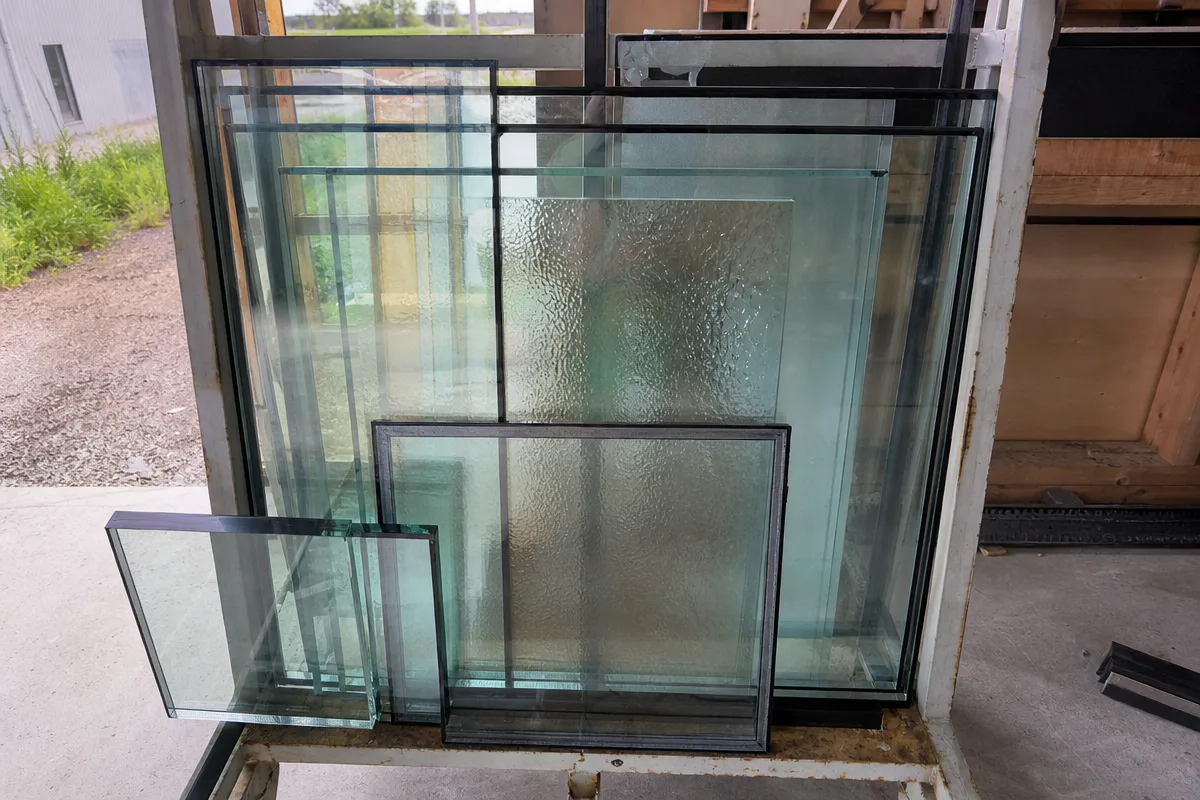
Before submitting a purchase order, confirm all dimensions and fabrication details with the supplier, especially for asymmetric shelves where edge lengths differ. Obtain written approval on shop drawings showing the polished or seamed edges in context with hardware templates and mounting points. Per Vitro Architectural Glass guidelines, all fabrication operations such as edge finishing must be finalized before heat treatment if applicable. This coordination ensures the supplier can meet the exact finish and dimensional tolerances without field modifications.
Use a Receiving Checklist to Verify Edge Quality
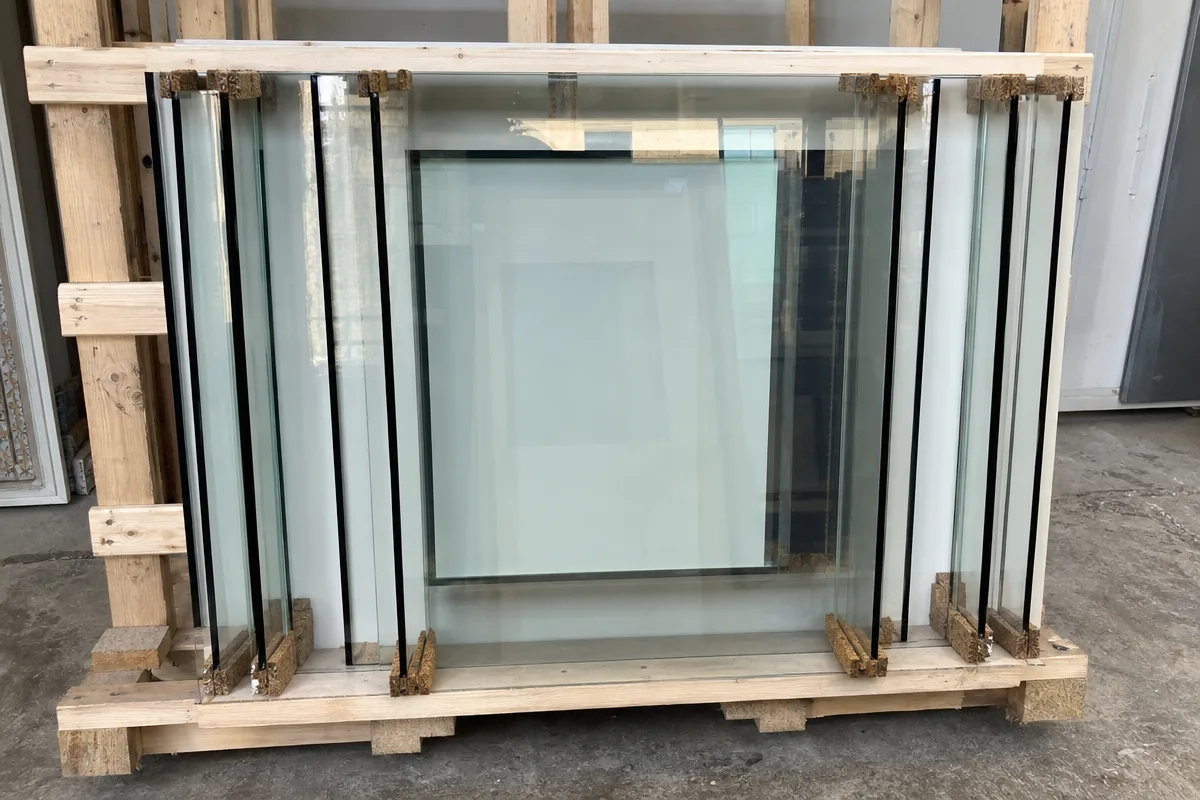
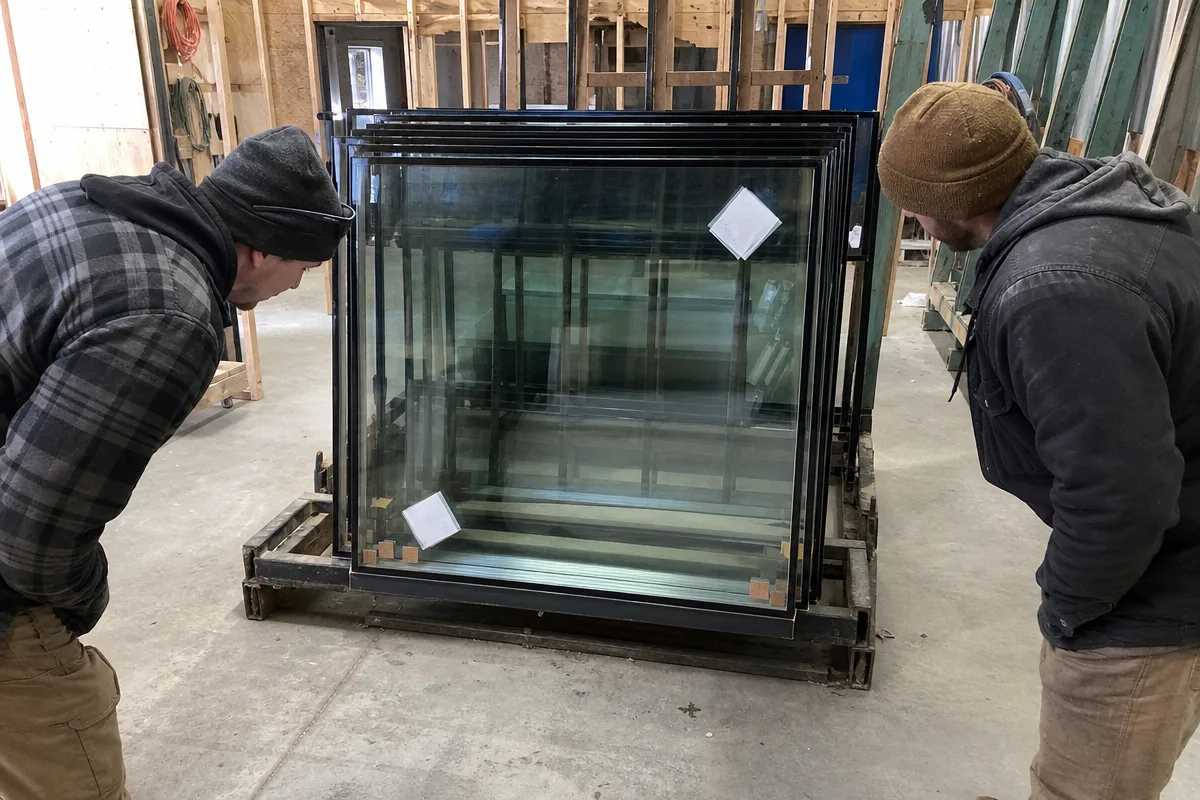
Upon delivery, use a detailed receiving checklist to inspect the glass shelves for correct edge treatment. Check that polished edges are uniform, free of chips or roughness, and that seamed edges meet the specified finish. Confirm that edge finishes correspond to the asymmetric layout documented in the order. This step protects your installation schedule and maintains quality control by catching any deviations early. Document findings with photos and notes to support any claims with the supplier if needed.
Sources
Prepared with AI assistance using the references above.