Exact Thickness Matters for Visual Consistency
When ordering a matching spare panel, even a slight change in glass thickness can alter how light refracts and reflects through the unit. This affects tint perception and overall appearance, making the replacement panel stand out. Glass performance data from Vitro Architectural Glass confirms that thickness, alongside tint and coating, directly influences visual and thermal properties. Therefore, specifying the exact ply thickness in the finished unit is crucial to maintain a seamless match.
Documenting Every Layer in the Specification
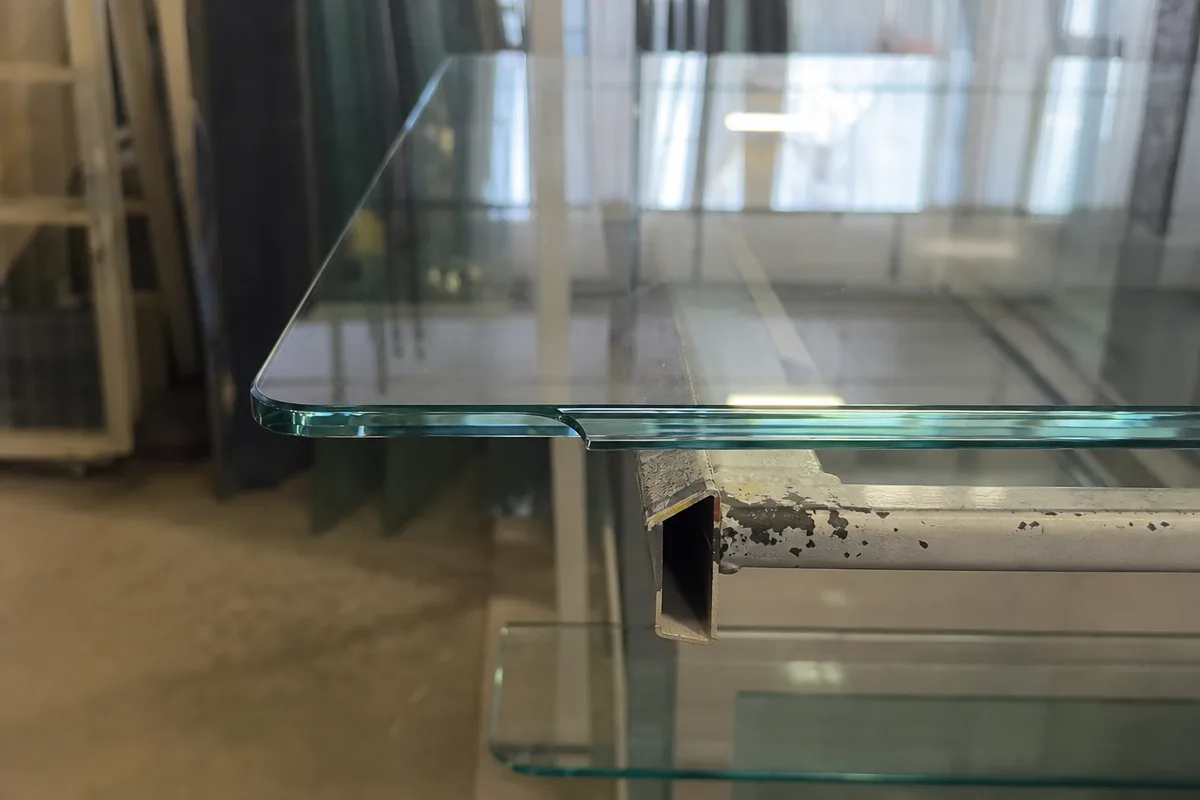
A finished specification or shop drawing should list each ply’s exact thickness, coating surface number, substrate type, and orientation. According to the National Glass Association, this level of detail ensures fabricators replicate the original build precisely. For a spare panel, noting the edge treatment and spacer size also helps maintain uniformity in appearance and fit within the frame. Omitting any of these details risks a mismatch that is visually obvious on installation.
Checklist for Ordering a Matching Spare Panel
Before placing a purchase order, verify the following: confirm the exact thickness of each glass ply, record coating types and their surface orientation, note spacer and gas fill if applicable, and specify edge treatment. Cross-check these details against the original unit’s shop drawings or specifications. This careful comparison prevents discrepancies that can cause a spare panel to differ in colour tone or reflectivity, ensuring the replacement integrates seamlessly.
Sources
Prepared with AI assistance using the references above.