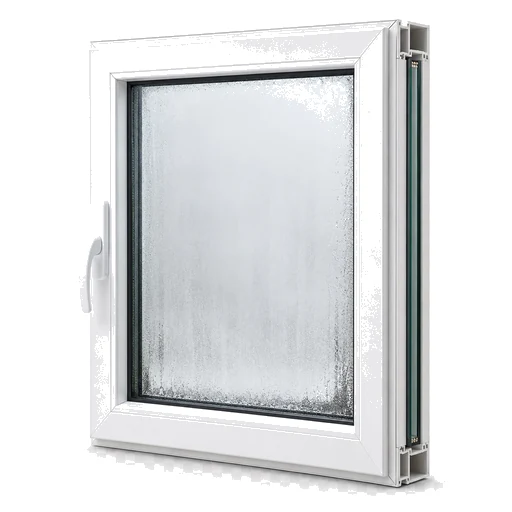
Haze between panes
A cloudy film that cannot be wiped from either accessible surface is a common sealed-unit symptom.
 Call/Text
When moisture, haze or mineral staining appears between panes, cleaning the room-side surfaces will not solve it. The estimator focuses on replacing the insulated glass unit while checking whether the sash and frame can remain.
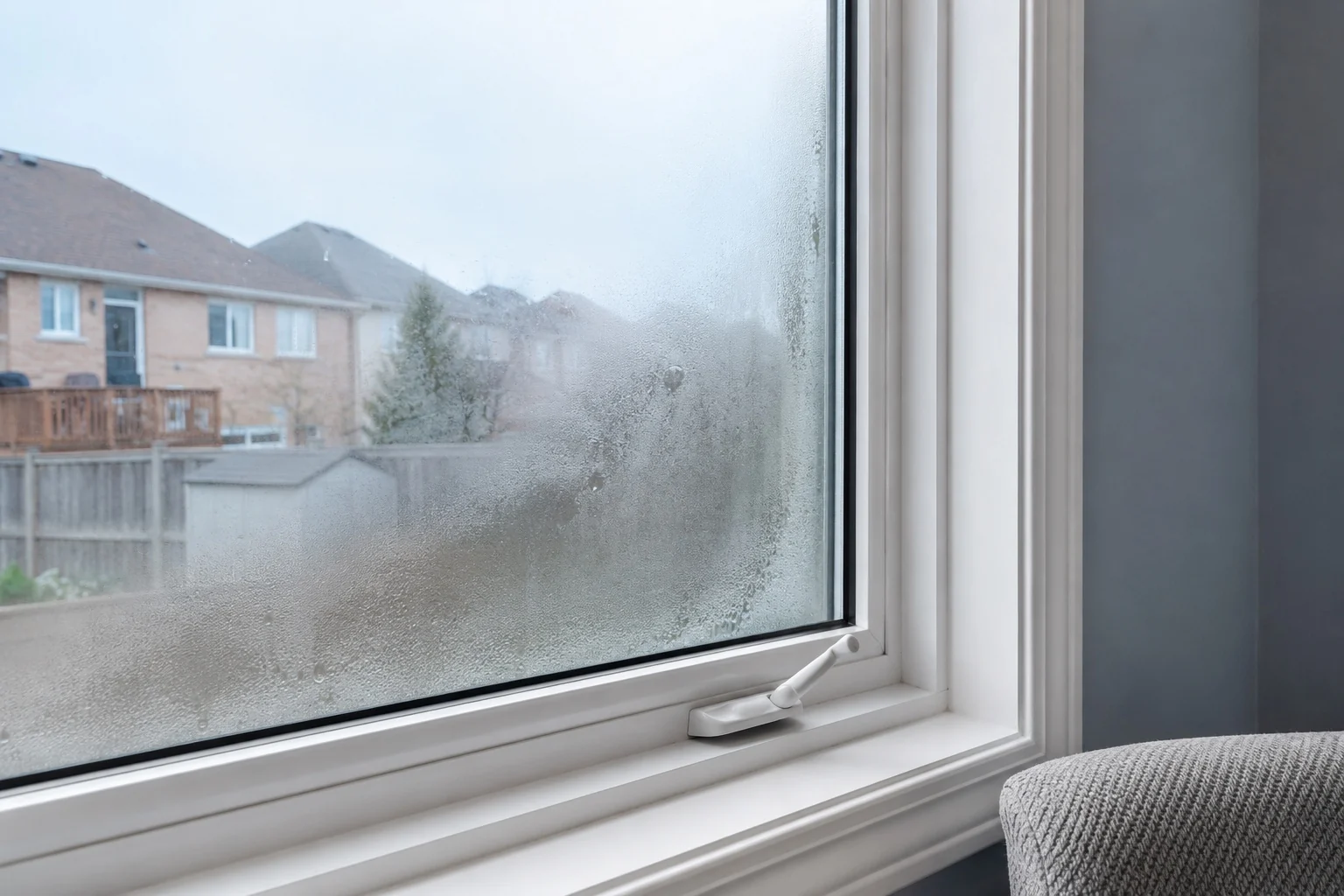
If moisture or haze is trapped between panes, room-side cleaning will not remove it. When the sash and frame remain sound, the sealed glass unit can often be reviewed for replacement without replacing the whole window.
Fogged-window requests are reviewed across Toronto, Etobicoke and the GTA. Glass make-up, access and the serviceability of the surrounding sash are confirmed before replacement.
Fog or droplets trapped between panes indicate that the perimeter seal has failed and outside moisture has entered the insulated unit. Condensation on the room-side surface can instead relate to indoor humidity, ventilation or cold interior glass.
A photo taken from an angle, plus an edge view showing the spacer, helps distinguish the conditions. The frame, sash, hardware and drainage should also be reviewed before deciding that glass-only replacement is enough.
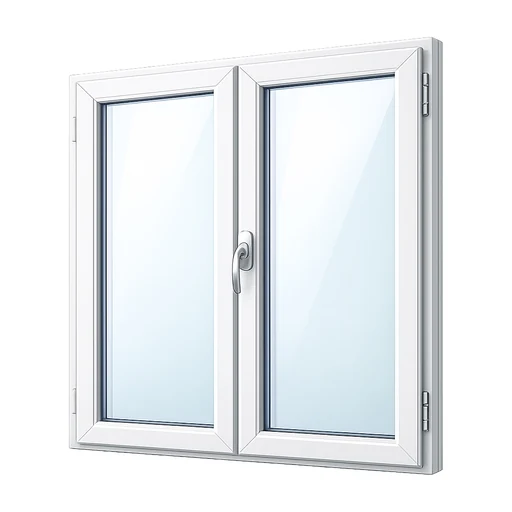

Describe where the haze appears and whether the sash still opens, closes and locks. A full-window photo helps separate sealed-unit failure from frame or hardware problems.
A cloudy film that cannot be wiped from either accessible surface is a common sealed-unit symptom.
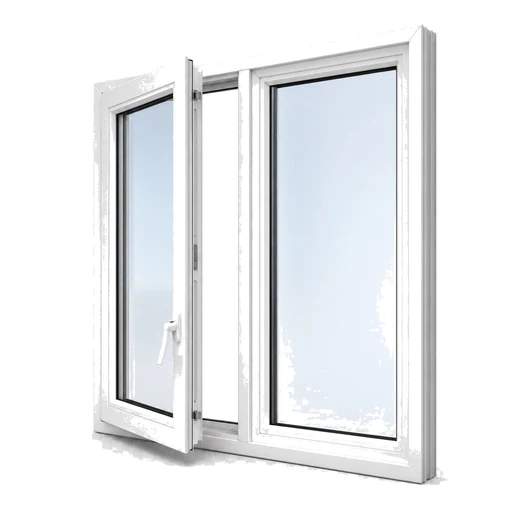
When the operating unit remains solid, glass-only replacement may be the appropriate scope.
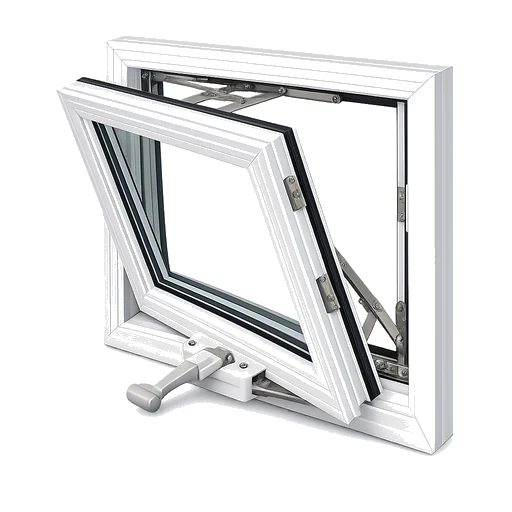
Poor closing, damaged operators or drainage issues may need separate repair.

Use photos and note when the condensation appears if you are not sure which surface is wet.
The replacement unit is custom-made. Size, thickness, coatings, grids, shape and access all influence the supply and installation scope.
Visible glass size, pane construction, Low-E or tint clues, access and quantity help narrow an IGU replacement range. Final manufacturing dimensions are verified before ordering.
Width, height and thickness affect glass area, weight and handling.
Double or triple glazing, Low-E surfaces, gas fill and warm-edge spacers change the unit.
Grids between glass, surface bars or decorative patterns may require matching.
Damaged stops, rot, warping or drainage issues can expand the repair beyond the sealed unit.
Count the foggy openings and note whether each is fixed, casement, awning, slider or another style.

Approximate daylight or sash dimensions help planning, but fabrication sizes must be professionally confirmed.
The final review confirms the sash, stops, drainage, hardware and exact insulated glass construction.
A foggy unit can be the only defect, but older windows may also have weak operators, failed weather seals, loose hardware or deteriorated wood. The page keeps those conditions separate so glass replacement is not automatically treated as a complete window replacement.

For frames or complete units that have reached the end of service life.
View window replacement →
For cracked, broken or specialty glass beyond foggy sealed units.
View window glass replacement →Featured in this order: Product Catalogue, Window Measuring Guide, then Window Black Catalogue.
Browse the available glass, window, door, shower, commercial, railing and emergency choices.
Measure common window styles and visible glass with simple visual examples.
Compare common black-frame window styles and installed-range planning examples.
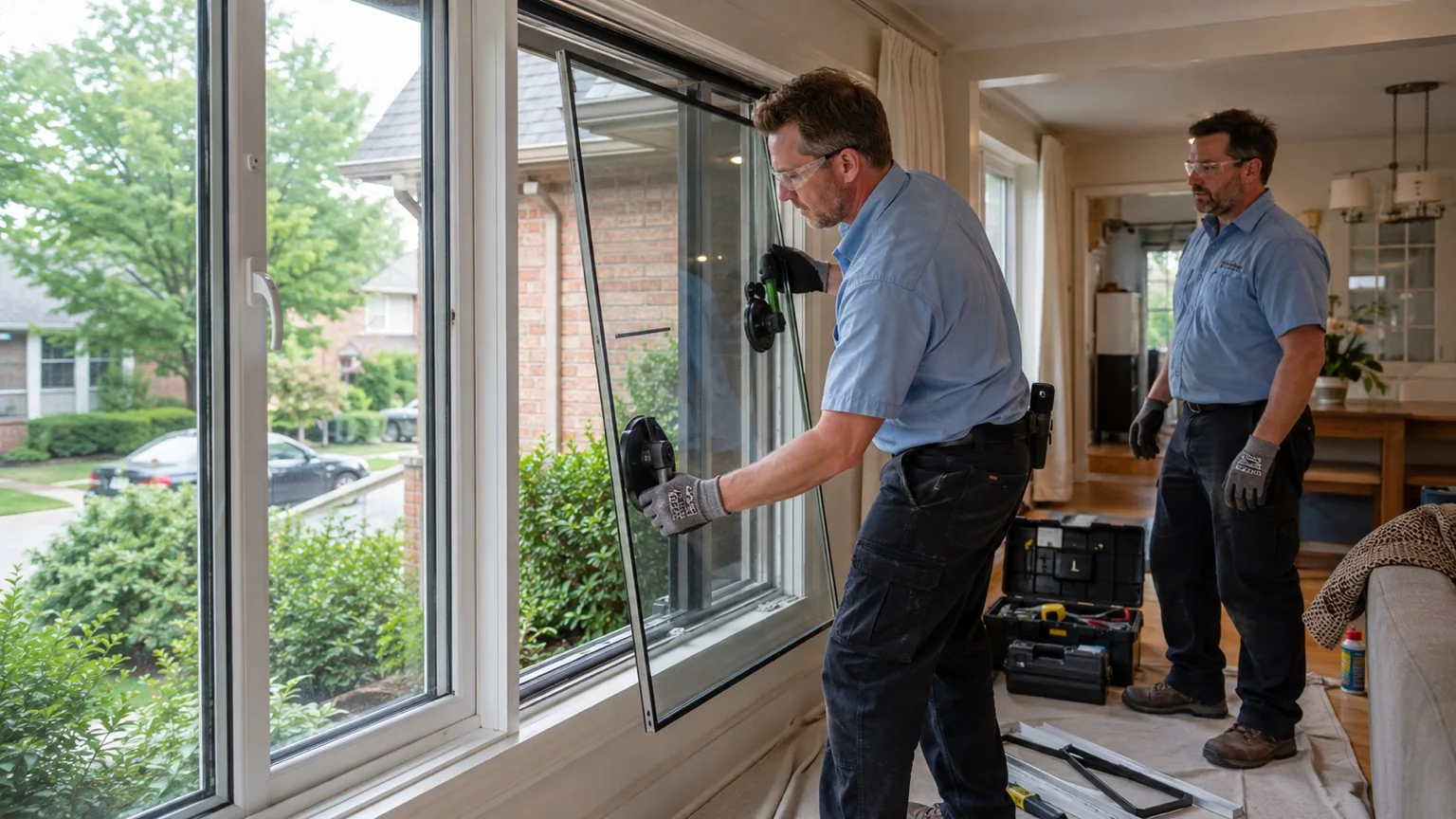
Walk to the opening, inspect the failed insulated glass unit, measure width and height, prepare the replacement with suction cups, carry it to the window and complete the simplified installation.

Services that vent or defog a failed unit may improve appearance temporarily but do not recreate the original factory seal or insulating performance. Replacement of the insulated glass unit is the usual permanent scope.
Not necessarily. If the sash and frame are sound, the sealed glass unit can often be replaced separately.
A close match is often possible, but exact colour can vary by manufacturer, coating generation and the age of adjacent glass.
No. Each opening can be assessed separately. Grouping several units may improve scheduling efficiency, but unaffected units do not automatically require replacement.
Use an approximate visible-glass or sash size for planning and clearly label how it was measured. Do not use homeowner dimensions to order the final unit.

Choose Window Glass, select foggy or failed sealed unit, and add the number of openings, approximate sizes and photos you have.