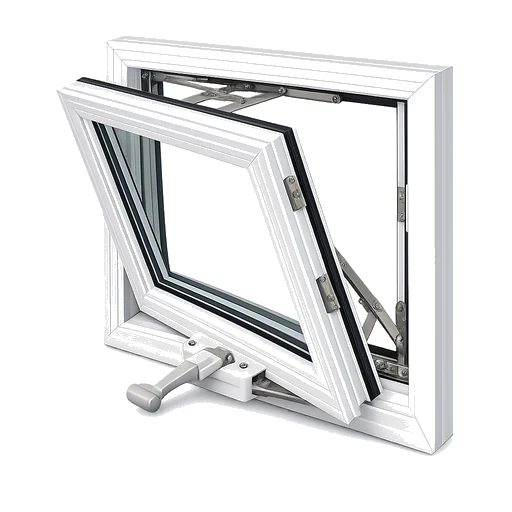
Crank or operator failure
The handle may spin, detach or move without opening the sash correctly.
 Call/Text
A window that will not open, close, lock or seal properly may need hardware, weather-seal, screen, drainage or localized frame work rather than full replacement. The estimator starts with the symptom and window style.
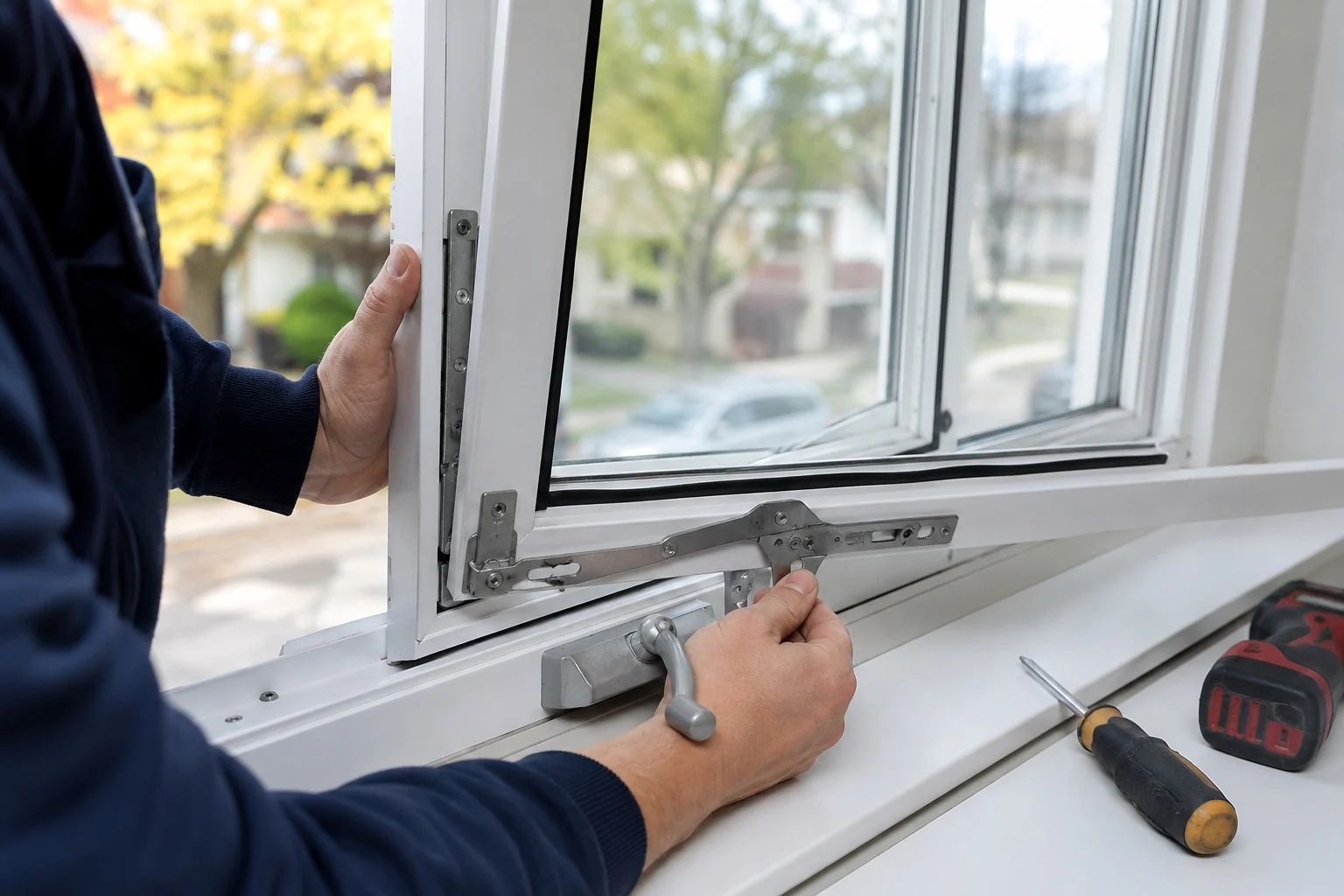
Use the repair option when the glass is intact but the window does not open, close, lock, slide or seal as expected. GlassQuote keeps hardware repair separate from broken-glass and full-window replacement scopes.
Window-repair requests are reviewed across Toronto, Etobicoke and the GTA. Part compatibility and the surrounding frame condition are confirmed before the repair is scheduled.
Casement and awning windows use operators, hinges, locks and keepers that wear differently. Sliders and hung windows rely on tracks, rollers, balances and latches. Describing the movement and visible damage is more useful than simply selecting “window repair.”
Drafts and leaks also require careful separation. Air movement may involve weather seals or adjustment, while water entry may come from exterior joints, drainage, roofing or wall conditions outside the window itself.
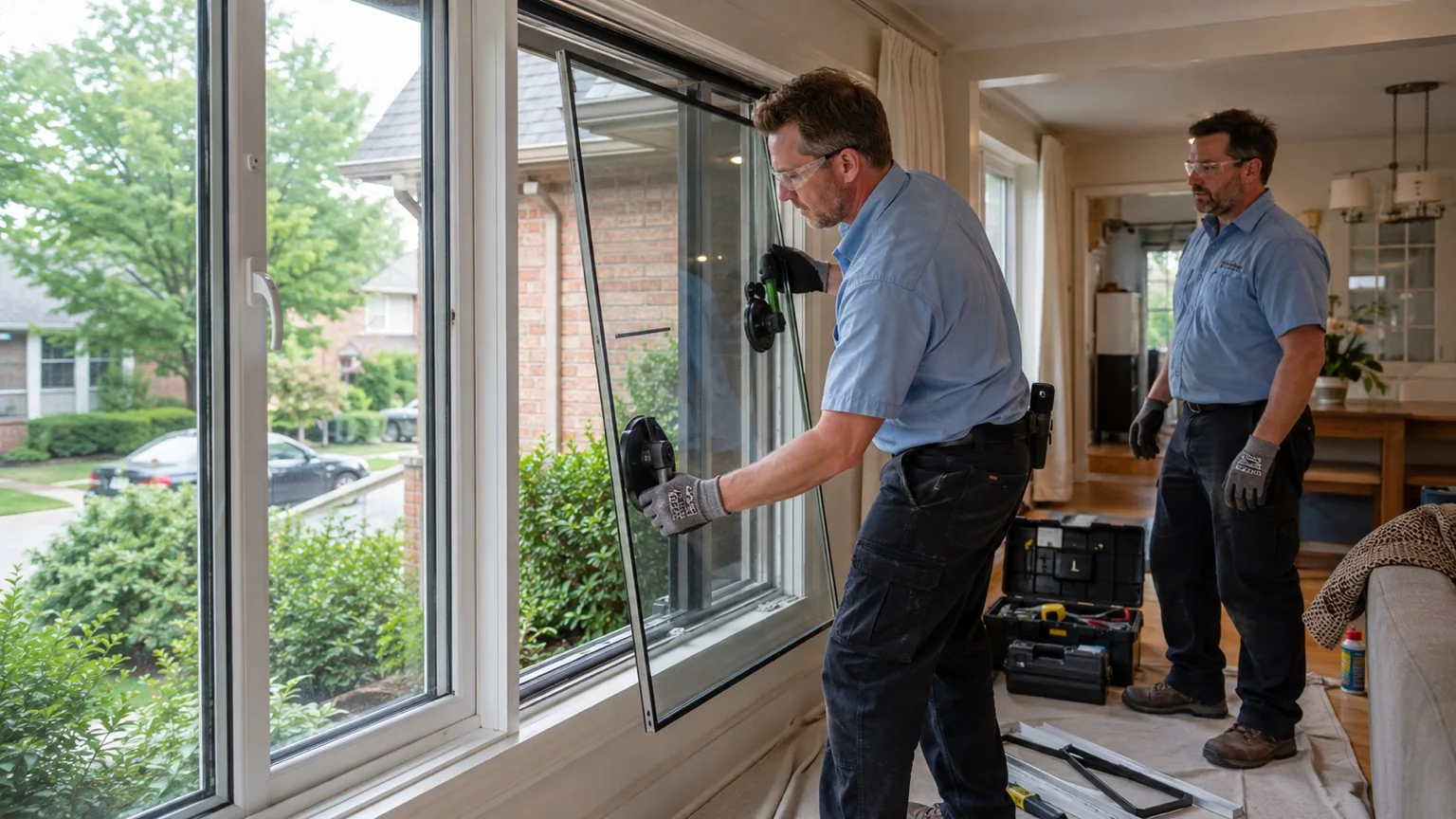
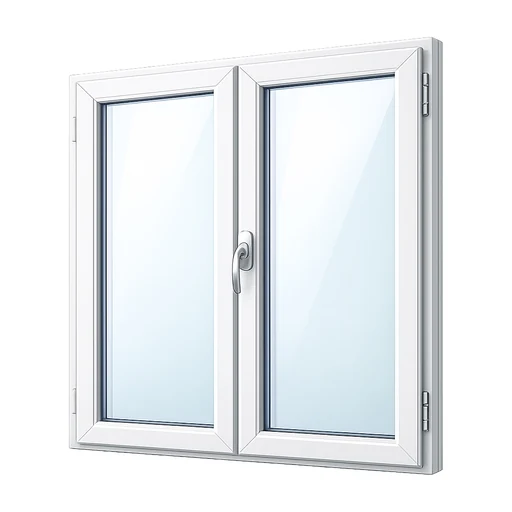
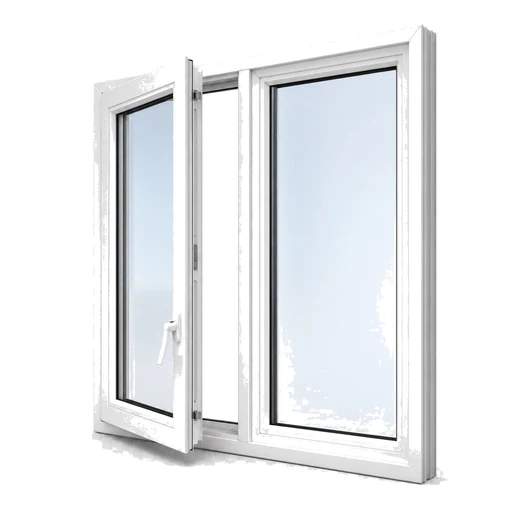
Describe what the window does when you try to operate it: where it binds, which handle or lock moves, and whether the problem changes with weather. That symptom is more useful than a guessed part name.
The handle may spin, detach or move without opening the sash correctly.
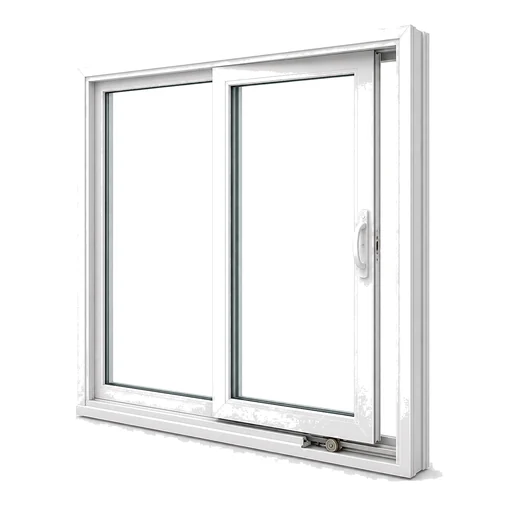
Worn moving parts can prevent smooth operation or a secure close.
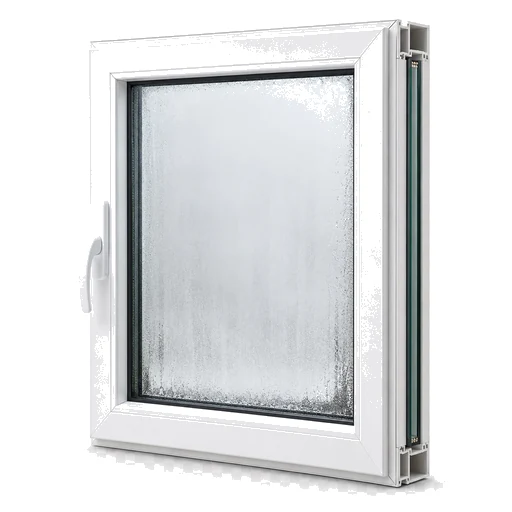
A window can have both failed glass and operating components that need review.

Photos and a description of weather conditions help determine the right review option.
The part itself can be inexpensive while access, compatibility and diagnosis require more time. Older or discontinued systems may need adapted hardware or a replacement recommendation.
Window style, visible hardware, brand markings, frame condition, quantity and access determine how specific a repair range can be. Discontinued parts may require an alternate recommendation.
Casement, awning, slider, hung, tilt-and-turn and specialty windows use different hardware.
Brand marks, dimensions and photos help determine whether a direct replacement part exists.
Warping, rot, corrosion or loose anchors can make hardware-only repair insufficient.
Upper floors, blocked openings and multiple units affect labour and service planning.
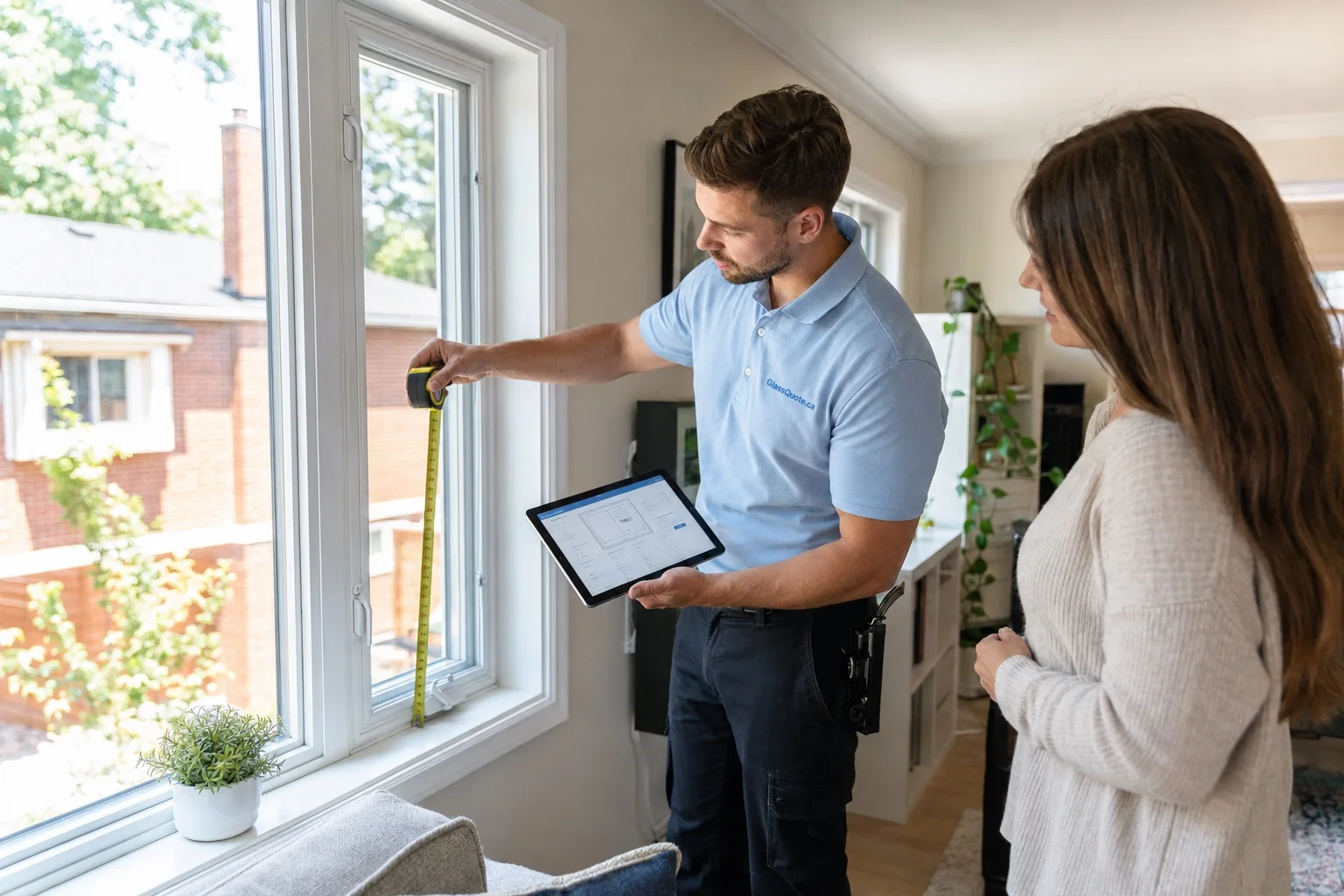
Note what moves, what does not, where the gap appears and whether the issue changes with weather.
Include the handle, lock, hinge, track, labels and a full view of the window.
The field review checks operation, alignment, fasteners, frame condition and part compatibility.
Water appearing near a window does not prove the window assembly is the source. Exterior sealant, flashings, cladding, roof transitions and interior condensation can create similar symptoms. GlassQuote collects visible evidence and routes uncertain cases for review rather than labeling every leak a window repair.

For failed insulated units with moisture between panes.
View foggy window sealed-unit replacement →For widespread frame, performance or product-life issues.
View window replacement →For rollers, locks, alignment and patio glass questions.
View patio door glass replacement →Featured in this order: Product Catalogue, Window Measuring Guide, then Window Black Catalogue.
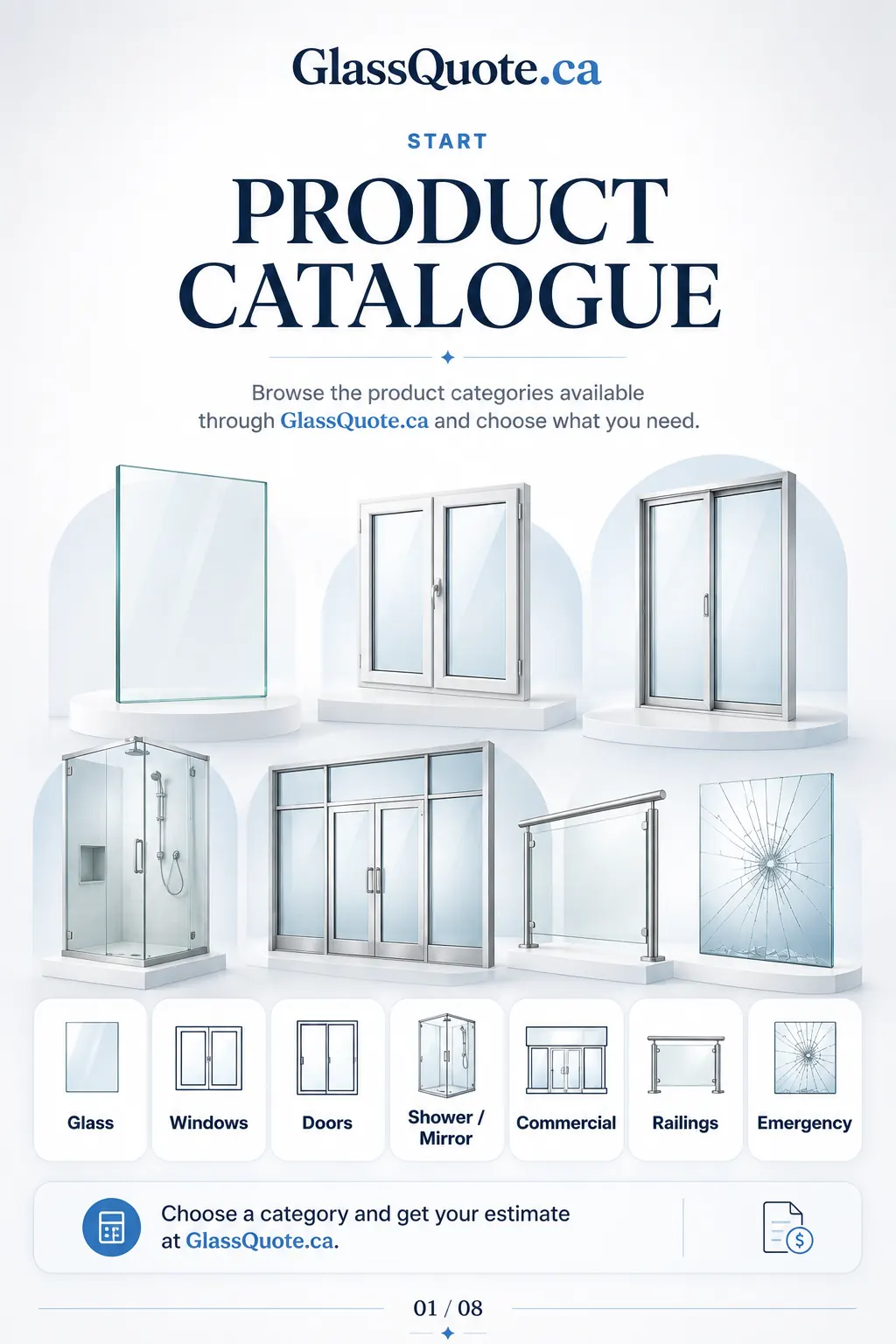
Browse the available glass, window, door, shower, commercial, railing and emergency choices.
Measure common window styles and visible glass with simple visual examples.
Compare common black-frame window styles and installed-range planning examples.
Yes, as a broad planning range. Clear photos of the full window, hardware, labels and dimensions improve the chance of identifying compatible parts.
Not always. The operator, linkage, sash alignment and mounting points must be checked. Some discontinued or damaged systems may not accept a practical replacement part.
It can help when the seal is worn and the sash closes correctly. Warping, poor adjustment, frame movement or installation gaps may require a different repair.
The estimator can collect screen-frame, mesh and quantity information for review. Bent frames or specialty screen systems may need measurement.
Replacement may be recommended when several components have failed, frames are deteriorated, parts are unavailable or the repair would not restore reliable operation.
Choose Window Repair, identify the style and failed component, then add photos of the hardware and the full opening.