
Tempered vs Laminated Glass in Toronto
A practical homeowner guide to the difference between tempered, laminated and ordinary annealed glass, where each product is commonly encountered, and why fabrication affects price.
Tempered and laminated glass are not the same product
Tempered glass is heat treated so it behaves differently from ordinary annealed glass when it breaks. Laminated glass uses an interlayer that can help retain broken pieces. Some specialized systems combine tempering and lamination.
Why holes, notches and polished edges change the job
Custom safety glass often needs fabrication before final processing. Shower doors, entrance glass and specialty panels may need precise hinge cut-outs, handle holes, notches, radius corners or exposed polished edges. This is one reason equal square footage does not necessarily mean equal cost.
Where homeowners may encounter safety glazing
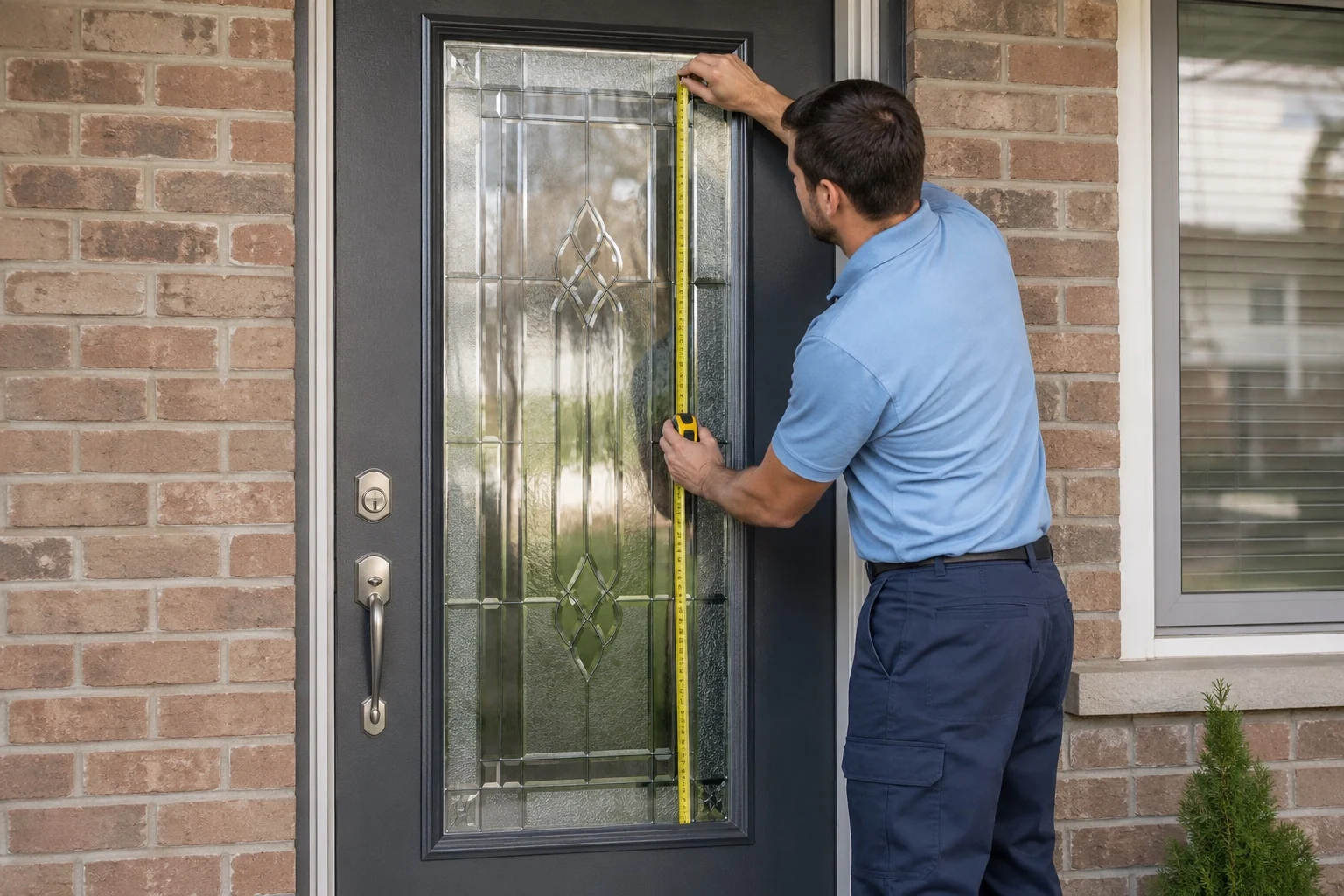
Common examples include shower enclosures, entrance doors, sidelites, patio doors, certain low-level glazing locations and residential railing systems. The exact product should be confirmed for the specific opening rather than assumed from appearance alone.