
Read the order from outside to inside
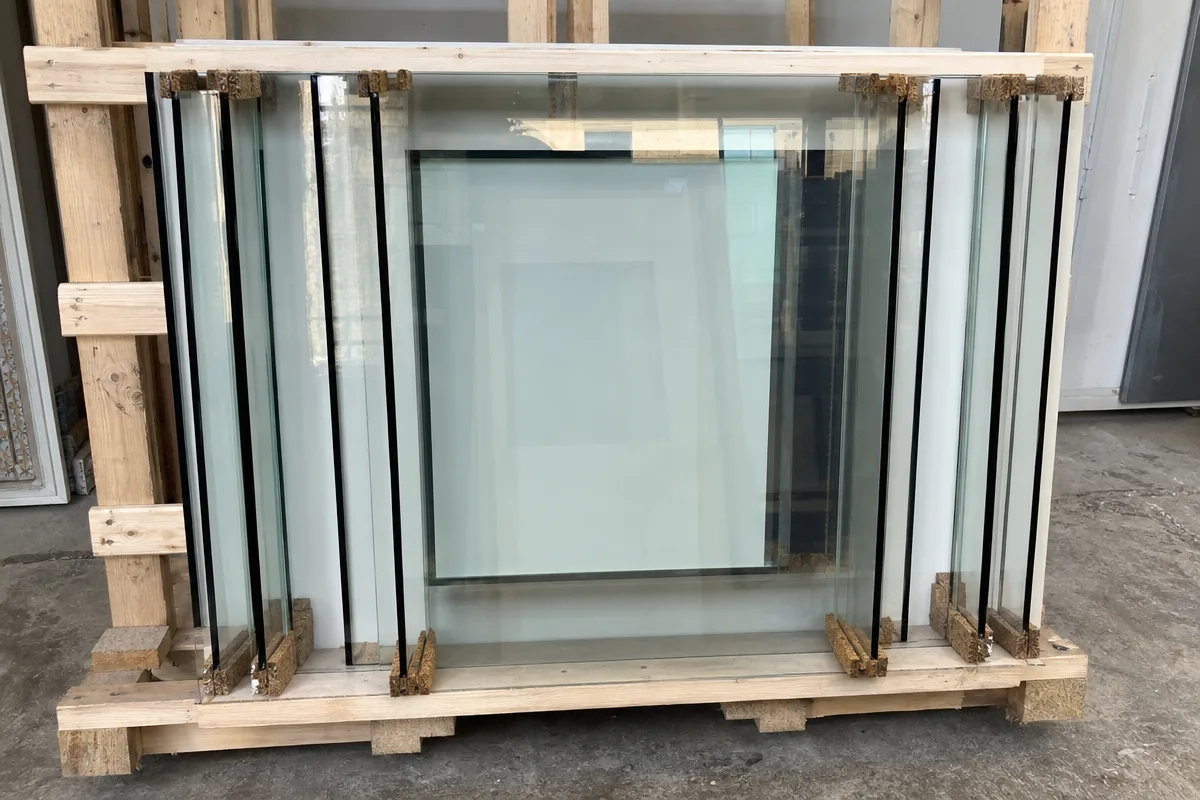
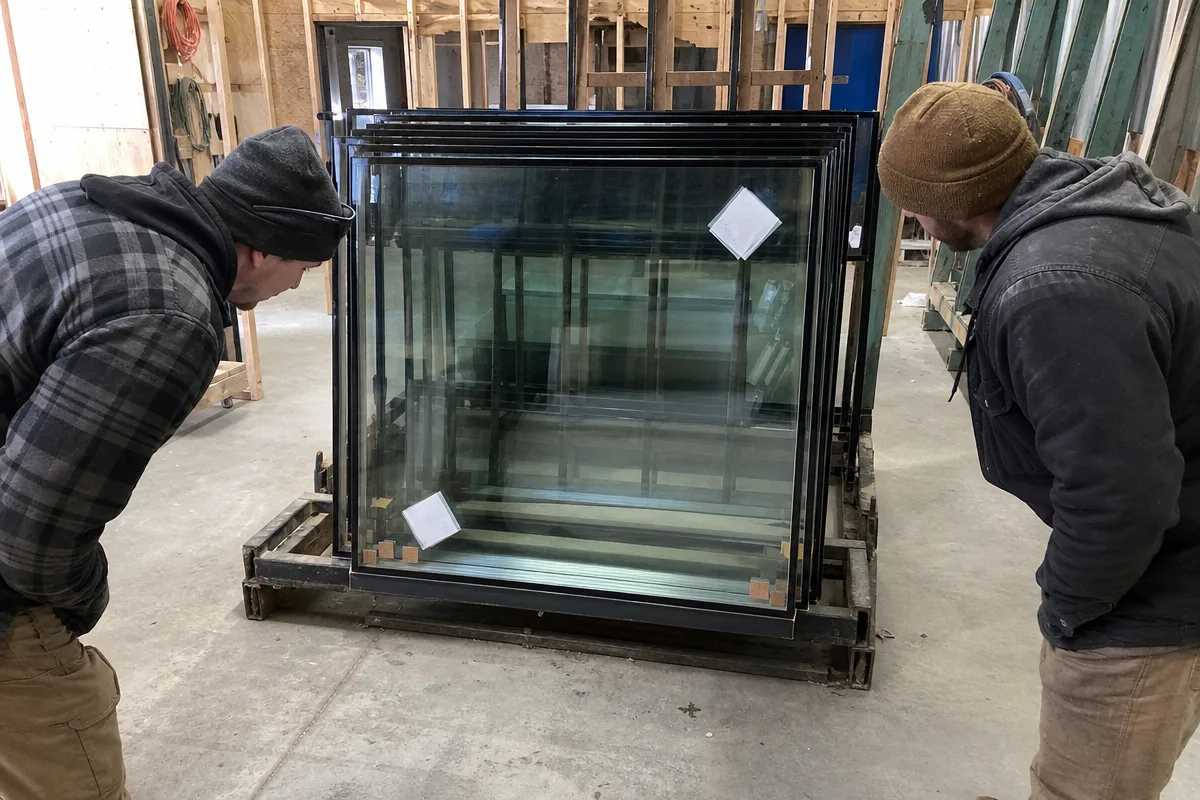
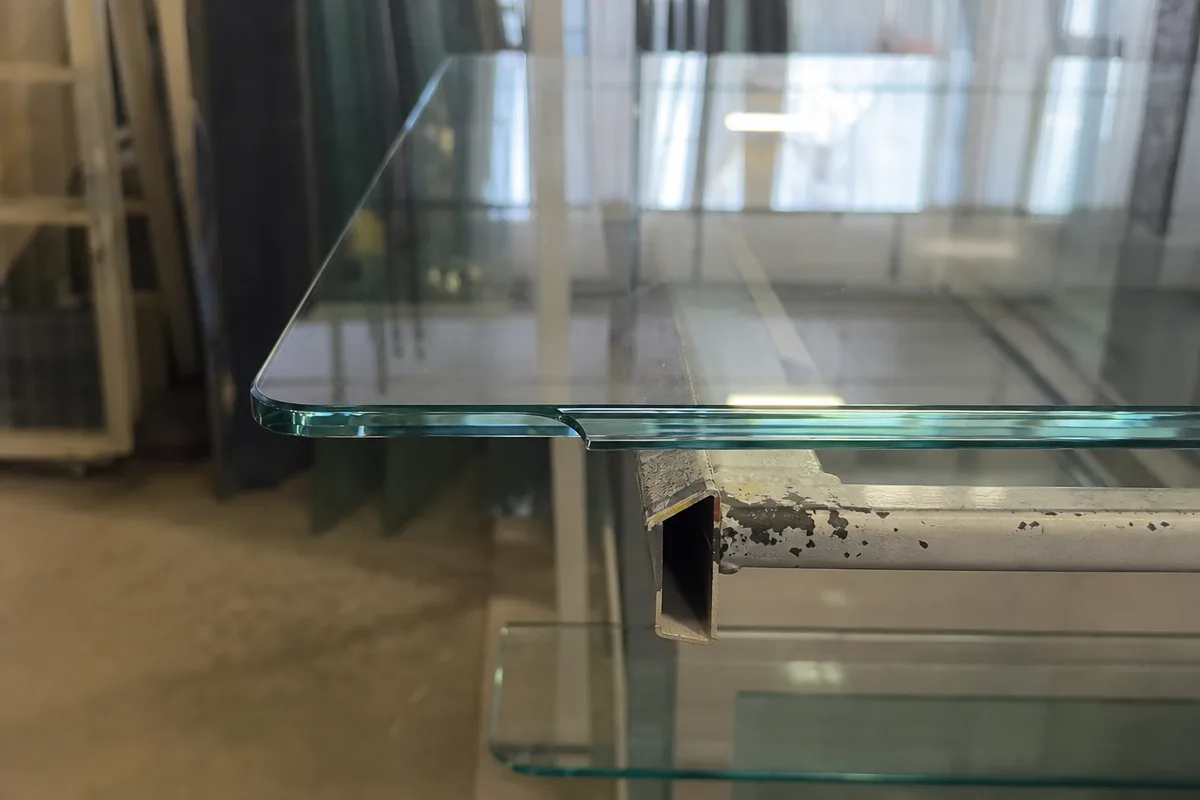
A common way to write a double-pane build is 4 / 12 / 4 mm. The first 4 mm describes the exterior glass pane, the 12 mm describes the cavity, and the last 4 mm describes the interior pane. That adds up to a nominal 20 mm assembly. A supplier still needs to check the actual order thickness and construction, especially when one pane is laminated or the original unit uses a different spacer.
Record the coating separately
A thickness string leaves out which pane carries the coating and which surface it sits on. In a double-pane unit, surfaces count from outside to inside. Surface 1 faces outdoors, surfaces 2 and 3 face the cavity, and surface 4 faces the room. Include the specified coating, surface number, tint and gas fill when they are known. A glass unit can share the same dimensions with its neighbour and still look different if the coating or tint changes.
Keep size and build in separate fields
A useful line item reads: kitchen north window, verified fabrication width and height, one unit, nominal 20 mm overall build, matching tint and low-E to confirm. Add close-up photos of the spacer and any etched corner mark. If you only have the visible glass size, label it as such and ask which measurements the supplier needs for fabrication.
Use the estimator with what you can verify
Open Glass Studio to compare pane and coating choices. Enter your measured dimensions for a planning estimate and keep any unconfirmed specification in the request notes. If matching an adjacent unit matters, include a photo showing both openings in similar light.